Application
HDPE Pipe for Reclaimed & Recycled Water (Purple Pipe) (2026)
The non-potable "second pipe" that conserves drinking water — why it's purple, why cross-connection control is everything, and why corrosion-free fused HDPE suits variable reuse-water chemistry.

Dr. Wei Liu, P.E.
Senior Engineering Manager · Primepoly
Published: Jun 8, 2026
Updated: Jun 8, 2026
12 min read
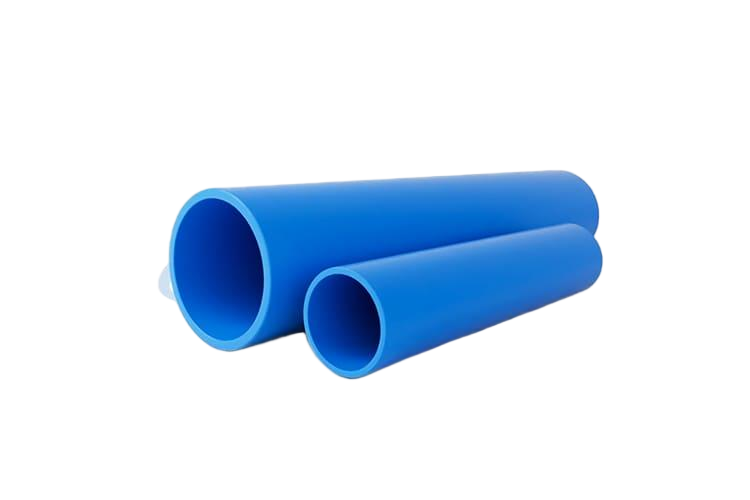
Water-scarce regions increasingly run two pipe networks: the potable one, and a separate "purple pipe" carrying treated wastewater reused for irrigation, industry and flushing. That second network frees up drinking water — but it carries one absolute rule: reclaimed water must never reach a potable tap. HDPE suits it well: it's immune to the variable, sometimes aggressive chemistry of reuse water, its fused joints leak neither the valuable recycled water out nor groundwater in, and it can be supplied in or striped purple for unmistakable identification. This guide covers HDPE for reclaimed water, with cross-connection control front and centre.
What reclaimed / recycled water is
Reclaimed (or recycled) water is municipal wastewater that's been treated and reused for non-potable purposes through a distribution network separate from the drinking-water system. Its uses are wide: landscape and agricultural irrigation, golf courses and parks, industrial process and cooling-tower make-up, toilet flushing and dual-reticulation in buildings, groundwater recharge, and dust suppression. It's a major water-conservation tool in water-scarce regions — California, Arizona, Florida, the Middle East, Australia and Singapore among them — letting precious potable supply be reserved for drinking.
The purple-pipe standard: why purple & the Pantone code
Reclaimed-water pipe is identified by the colour purple, universally, to prevent it being confused or cross-connected with potable water. The convention was pioneered by an irrigation district in the early 1980s and standardised industry-wide; the operative colour specification today is Pantone 512C or 522C, cited by the EPA's reuse guidelines and the Uniform Plumbing Code, with regional adoptions. HDPE is supplied either solid purple or — more commonly for larger pipe — black with co-extruded purple stripes, so the identification is built permanently into the pipe.
Cross-connection control: the #1 safety priority
Everything else in a reuse system is secondary to one rule: reclaimed water must never be physically connected to the potable system. The defence is layered — purple pipe and markings, buried warning tape, pipe embossed or stamped "CAUTION: RECLAIMED WATER — DO NOT DRINK," mandated separation distances from potable mains (horizontal and vertical), signage at use areas, and backflow prevention at any interface. The separation distances vary by jurisdiction, so they must be verified locally, but the principle is universal: keep the two systems unmistakably and physically apart.
Why HDPE: corrosion-free, fused, leak-tight
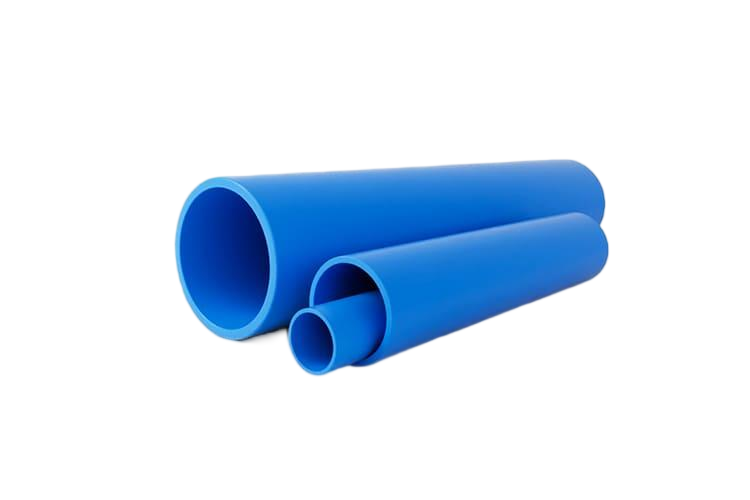
HDPE suits reuse water on three counts. It's corrosion-immune, which matters because reclaimed water has variable and sometimes more aggressive chemistry — chlorine or chloramine residual, salts — that attacks metal. Its heat-fused joints are monolithic and leak-free, preventing both exfiltration (losing the valuable recycled water, and reclaimed water reaching the ground) and infiltration (groundwater entering the system) — a genuine cross-contamination safeguard. And the purple identification can be co-extruded into the pipe wall, so it's permanent. Add flexibility, a smooth bore and trenchless installation, and HDPE is a strong reuse-network material.
Purple identification on HDPE: co-extruded stripe vs solid
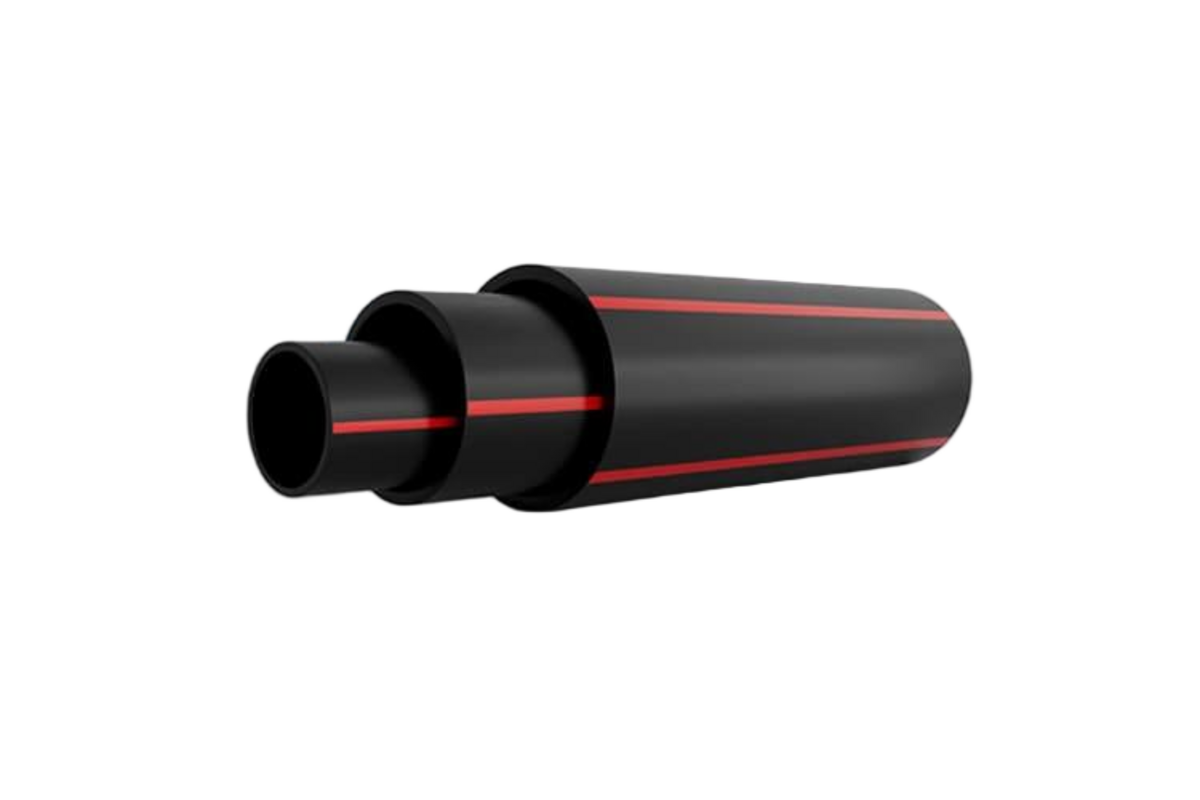
HDPE carries its purple identification two ways. Smaller pipe is often supplied solid purple; larger pipe is typically black with co-extruded (integrally striped) purple stripes — commonly three or four equally spaced longitudinal stripes extruded into the pipe surface so they can't wear off. On top of the pipe colour, reuse systems add warning tape over the buried line and often embossed or printed "reclaimed water — do not drink" lettering. The point of all of it is the same: make the pipe unmistakably not-potable, at every opportunity, for the life of the system.
Reclaimed water chemistry: disinfectant, salts & biofilm
Reclaimed water is treated, but its chemistry is more variable than potable and worth designing for. It usually carries a disinfectant residual (chlorine or chloramine), which over decades is the same long-term oxidative consideration as in potable systems — so a high-performance grade is appropriate where residuals are high. It can carry more salts, and biofilm in the distribution network consumes disinfectant residual and affects water quality. HDPE's corrosion immunity handles the variable chemistry that would attack metal, but the design should still treat reuse-water chemistry seriously rather than assuming "reclaimed" means benign.
Applications
- Landscape and agricultural irrigation; golf courses and parks.
- Industrial process water and cooling-tower make-up.
- Toilet flushing and dual-reticulation in buildings.
- Groundwater recharge and managed aquifer recharge.
- Dust suppression and construction water.
- District-scale non-potable distribution in water-scarce regions.
Standards & regulations
Reclaimed-water HDPE is made to the PE pressure-pipe standards (AWWA C901/C906, which explicitly cover reclaimed and wastewater service, or ISO 4427 internationally). The reuse system itself is governed by regulation and guidance: the EPA's water-reuse guidelines (which specify the purple Pantone colour), state codes such as California's Title 22 and Title 17, the Uniform Plumbing Code's marking requirements, and AWWA's cross-connection-control manual (M14) for backflow. The table lists them — and remember the purple requirement is regulatory, not an AWWA mandate.
| Standard / regulation | Scope |
|---|---|
| AWWA C901 / C906 | PE pressure pipe (covers reclaimed & wastewater service) |
| AWWA M14 | Backflow prevention & cross-connection control |
| EPA Guidelines for Water Reuse | National reuse guidance; purple Pantone 512C/522C |
| California Title 22 / Title 17 | Recycled-water criteria & cross-connection (where adopted) |
| Uniform Plumbing Code §1503.7 | Reclaimed system colour / marking (purple) |
| ISO 4427 | PE pipes for water supply (international) |
HDPE vs PVC & ductile iron for reuse
Purple PVC and (wrapped) ductile iron are also used for reuse, so the honest comparison matters. PVC is corrosion-immune and widely stocked in purple, but its gasketed bell-and-spigot joints are leak paths in both directions; ductile iron is strong but corrodes and tuberculates without coatings, and its joints are gasketed too. HDPE's decisive reuse advantages are its heat-fused, monolithic joints — the lowest exfiltration and infiltration of the three — and its total corrosion immunity to variable reuse chemistry. The table summarises it.
| Factor | HDPE (PE4710) | Purple PVC | Ductile iron |
|---|---|---|---|
| Corrosion | Immune | Immune | Needs coatings/CP; tuberculates |
| Joints | Heat-fused, monolithic, zero-leak | Gasketed bell-and-spigot | Gasketed push-on / restrained |
| Exfiltration / infiltration | Lowest (no joints to leak) | Joint-dependent | Joint-dependent |
| Trenchless / flexibility | Excellent (HDD, bursting, slipline) | Limited | Limited |
5 common mistakes
- Not using purple identification (solid or striped, plus tape and warning lettering) — a cross-connection risk and a code violation.
- Cross-connecting reclaimed to potable — inadequate separation distances or no backflow protection at the interface.
- Ignoring the long-term effect of the disinfectant residual — specifying a low-grade resin where chlorine/chloramine levels are high.
- Choosing the wrong pressure class or DR for the duty (surge, temperature).
- Assuming "reclaimed" means clean and benign — its chemistry is variable, with salts and biofilm to design for.
Glossary
- Reclaimed / recycled water
- Treated municipal wastewater reused for non-potable purposes through a separate distribution network.
- Purple pipe
- The universal identification colour (Pantone 512C/522C) for reclaimed-water pipe, to prevent cross-connection with potable water.
- Cross-connection
- Any physical link that could let reclaimed water reach the potable system — the hazard the whole purple-pipe regime exists to prevent.
- Backflow prevention
- Devices and design that stop reverse flow at the interface between reclaimed and potable systems (per AWWA M14).
- Dual reticulation
- Running two separate building/network water systems — potable and reclaimed — for uses like toilet flushing and irrigation.
- Co-extruded stripe
- Purple identification stripes extruded permanently into the HDPE wall (vs solid-purple pipe), so they can't wear off.
References & standards
- [1]US EPA — Guidelines for water reuse (purple Pantone 512/522)
- [2]California SWRCB — Recycled water (Title 22 water-recycling criteria)
- [3]California SWRCB — Cross-connection control policy handbook
- [4]Cornell LII — Cal. Code Regs. Tit. 22 §60310 — use-area requirements
- [5]AWWA — AWWA C901 — PE pressure pipe & tubing (covers reclaimed)
- [6]Irvine Ranch Water District — Purple-pipe origin story
- [7]PIPA — POP018 — PE drinking-water pipes & chlorine/chloramine
- [8]WateReuse Association — State policy & regulations on water reuse
Frequently asked questions
Need expert advice on your project?
Our engineering team helps utilities, contractors and EPCs specify the right pipe material and SDR for their project. Get a no-obligation technical consultation.
Talk to an engineerRead next
Explore further
Related applications, material comparisons and country buying guides selected for this topic.