Guide
Installing & Fusing HDPE Pipe in Cold Weather (2026)
Heat fusion works in winter, even sub-zero — if you beat the two real enemies: wind stealing heat from the joint, and moisture flashing to steam. Here's how.

Dr. Wei Liu, P.E.
Senior Engineering Manager · Primepoly
Published: Jun 8, 2026
Updated: Jun 8, 2026
12 min read
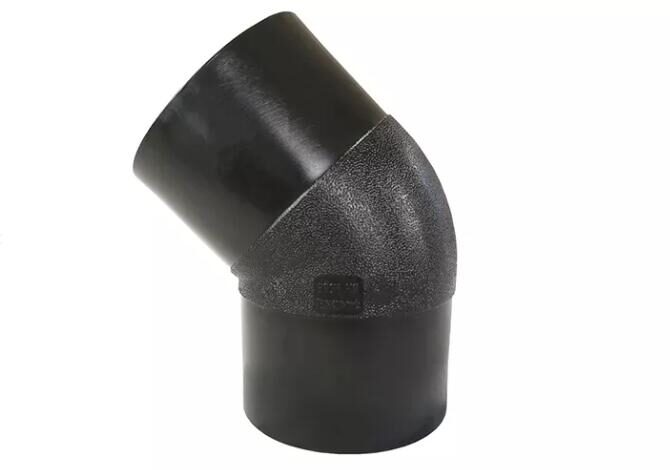
Cold weather doesn't stop HDPE fusion — crews fuse pipe in winter and well below zero every day. What changes is that two enemies get stronger: wind, which steals heat from the heater plate and the joint, and moisture, which condenses on cold pipe and flashes to steam in the weld. Beat those two — shelter the joint and keep the faces clean and dry — adjust the timing, and handle the pipe gently, and a cold-weather joint is every bit as sound as a summer one. This guide gives the verified thresholds and the method.
Can you heat-fuse HDPE in cold weather?
Yes — routinely, and far below freezing. Polyethylene stays weldable in the cold, and heat fusion is done in winter conditions worldwide; the standards explicitly address cold-ambient and windy fusion. What the cold demands is adjustment, not avoidance: shelter from wind, dry and clean fusion faces, and longer heat-soak and cool times. The misconception to drop is that there's some temperature below which PE simply can't be fused — there isn't; below the low thresholds you add shelter and heat rather than stopping.
Why cold affects fusion: heat loss, wind & condensation
Cold works against fusion in three ways. It pulls heat out of the heater plate and the pipe ends, so the melt develops more slowly and the joint cools faster. Wind makes that far worse through convective heat loss — a breeze can chill the heater plate and the molten faces even on a mild day, which is why wind is the single biggest threat to a cold-weather joint. And cold plus humidity means condensation and frost on the pipe and tooling, which turns to steam during heating and creates voids. The method below counters all three.
Cold-weather temperature thresholds
The fusion standard sets clear action thresholds as the temperature drops. The table gives the verified figures — note the most-misquoted one: the pre-heat threshold is 3 °F (−16 °C), not freezing. Below that you warm the pipe ends; below −4 °F (−20 °C) you need a shelter and auxiliary heat; and inside any enclosure the ambient should be kept comfortably above freezing.
| Ambient temperature | Action |
|---|---|
| Below 32 °F (0 °C) | Remove all frost/ice/snow; coiled pipe may need a straight section fused on for alignment |
| Below 3 °F (−16 °C) | Pre-heat the pipe ends (heating blanket / warm-air device) before fusing |
| Below −4 °F (−20 °C) | Generally not recommended without special provisions (shelter + auxiliary heat) |
| Inside the enclosure | Keep ambient comfortably above freezing (≈ 40 °F / 5 °C) |
Sheltering the joint: tents, blankets & enclosures
Because wind is the main enemy, sheltering the joint is the most important cold-weather measure — and it helps at any temperature, not just sub-zero. The options scale with severity: a windbreak and heating blankets for mild cold, a tent for colder days, a heated portable enclosure or trailer for the harshest conditions. The shelter shields the heater plate and the molten faces from wind and from snow and rain, keeps the work zone warmer, and lets the heater hold its temperature — all of which protect the quality of the melt.
Step-by-step cold-weather fusion
The cold-weather method is the normal fusion procedure with shelter, dryness and timing added. The path below captures the additions that matter.
Keeping faces clean & dry: frost, ice & condensation
Moisture is the second enemy, and it's unforgiving: any frost, ice or snow on the pipe faces, the clamp grooves or the heater plate will flash to steam during heating and leave voids that ruin the joint. So remove all frost, ice and snow from the inside and outside of the fusion zone, keep the faces and tooling clean and dry, and clear ice from the clamp grooves. Warm the pipe ends with a heating blanket or warm-air device if needed — but never with an open-flame torch (no heat control, and it damages the pipe), and keep warming devices below 120 °F.
Adjusting heat-soak & cool times (never raise plate temp)
The instinct to crank up the heater plate in the cold is wrong and damaging — keep the plate at the normal 400–450 °F and instead give the joint more time to develop the proper melt bead. The standards-correct way to set the cold-weather heat time is a trial melt on a scrap pipe at the field temperature, adding heat in small increments until the correct bead pattern appears. And although cold air cools the outside of the joint faster, the interface still needs full cooling under clamp pressure before the joint is moved — the surface can feel set while the weld inside is not.
Handling HDPE in sub-freezing temps
Cold makes polyethylene stiffer and less impact-resistant — still tougher than PVC in the cold, but more sensitive to sharp impact than warm pipe. So handle it gently: avoid dropping pipe or letting it fall against open fusion clamps, take care uncoiling stiff coiled pipe, and don't force cold pipe into alignment with an impact. The reduced impact strength is a handling caution, not a fusion problem — the joint itself is fine if the method is right; it's the careless drop or knock on brittle cold pipe that causes damage.
Thermal contraction, snaking & backfill
Pipe fused or laid warm and then cooling will contract along its length, which can pull at mechanical connections, so leave slack and let buried pipe equilibrate to ground temperature before the final tie-in. Coiled pipe benefits from an S-curve between coils to relieve tension as it relaxes. And on the install side, don't backfill with frozen lumps or clods, which give poor support and can damage the pipe — use proper bedding even when the ground is frozen, and snake the run to absorb the contraction.
5 common mistakes
- Not sheltering from wind — convective heat loss chills the heater plate and the joint, the number-one cause of bad cold-weather welds.
- Raising the heater-plate temperature instead of extending the heat-soak and cool times.
- Frost, ice or condensation on the faces, clamps or heater — moisture flashes to steam and creates voids.
- Sharp impact on cold, less-impact-resistant pipe — dropping it or forcing it into alignment.
- Ignoring thermal contraction (no slack or snaking) and backfilling with frozen lumps.
Glossary
- Heat fusion
- Joining PE by melting and pressing the pipe ends (or fittings) together to form a monolithic joint — still done in winter with adjustments.
- Heat-soak time
- The time the pipe ends are held against the heater plate to develop the melt bead; extended in cold (never by raising plate temperature).
- Pre-heating
- Warming the pipe ends with a blanket or warm-air device (≤120 °F, never a torch) before fusion below 3 °F (−16 °C).
- Convective heat loss
- Heat stripped from the heater plate and molten faces by wind — the main reason cold-weather joints need a shelter.
- Condensation / steam defect
- Moisture on cold faces that flashes to steam during heating, leaving voids that weaken the weld.
- Thermal contraction
- The lengthwise shrinkage of pipe as it cools after warm fusion/laying; managed with slack, snaking and equilibration before tie-in.
References & standards
- [1]Plastics Pipe Institute (PPI) — MAB-8 — fusing HDPE pipe in cold & inclement weather
- [2]ASTM International — ASTM F2620 — heat fusion of PE pipe (cold-weather annex)
- [3]Performance Pipe (Chevron Phillips) — PP-750 — heat fusion procedures (cold-weather section)
- [4]Dura-Line — IB-19-5.0 — cold-weather handling & installation
- [5]McElroy — Optimized cooling (cooling-time factors incl. ambient)
- [6]McElroy — Portable shelter improves pipe-fusing in cold climates
- [7]EMCO Waterworks — Butt-fusion weather guidelines
- [8]Metropolitan Utilities District — Butt-fusion construction standard (cold-weather enclosure)
Frequently asked questions
Need expert advice on your project?
Our engineering team helps utilities, contractors and EPCs specify the right pipe material and SDR for their project. Get a no-obligation technical consultation.
Talk to an engineerRead next
Explore further
Related applications, material comparisons and country buying guides selected for this topic.