Application
HDPE Pipe for Biogas & Biomethane: Collection, Conveyance & Grid Injection (2026)
Biogas is wet, sour and corrosive — which is exactly why fused, H2S-immune polyethylene carries it, all the way to injecting upgraded biomethane into the gas grid.

Dr. Wei Liu, P.E.
Senior Engineering Manager · Primepoly
Published: Jun 8, 2026
Updated: Jun 8, 2026
12 min read
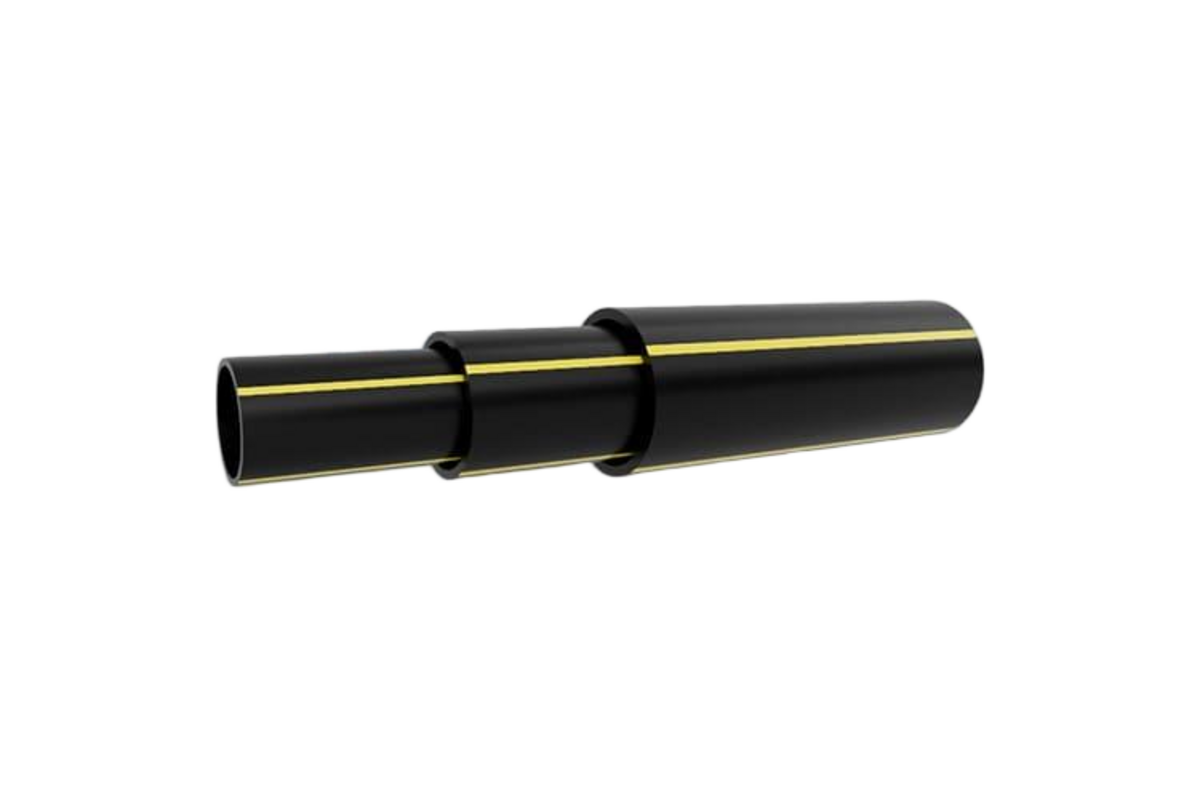
Biogas from an anaerobic digester is a difficult fluid: it's saturated with moisture, rich in carbon dioxide, and laced with hydrogen sulfide — a combination that turns into corrosive acids and condensate and eats steel from the inside. That's precisely why polyethylene carries it. HDPE is immune to the H2S and acid attack that destroys metal, its fused joints are leak-tight (vital for an explosive, high-greenhouse-impact gas), and the same PE network that distributes natural gas is ready to take upgraded biomethane. This guide covers HDPE across the biogas chain, from digester collection to grid injection.
Why biogas is so hard on pipe
Raw biogas is corrosive in a way clean natural gas isn't. It carries hydrogen sulfide (H2S) at anywhere from hundreds to thousands of parts per million, a large fraction of carbon dioxide, and it leaves the digester saturated with moisture. As the gas cools, that moisture condenses, and the H2S and CO2 dissolve into it to form sulfurous, sulfuric and carbonic acids — an aggressive condensate that corrodes carbon and galvanised steel rapidly. Any corrodible pipe material in raw biogas service is on a short clock unless it's protected.
Why HDPE: corrosion immunity & leak-tight joints
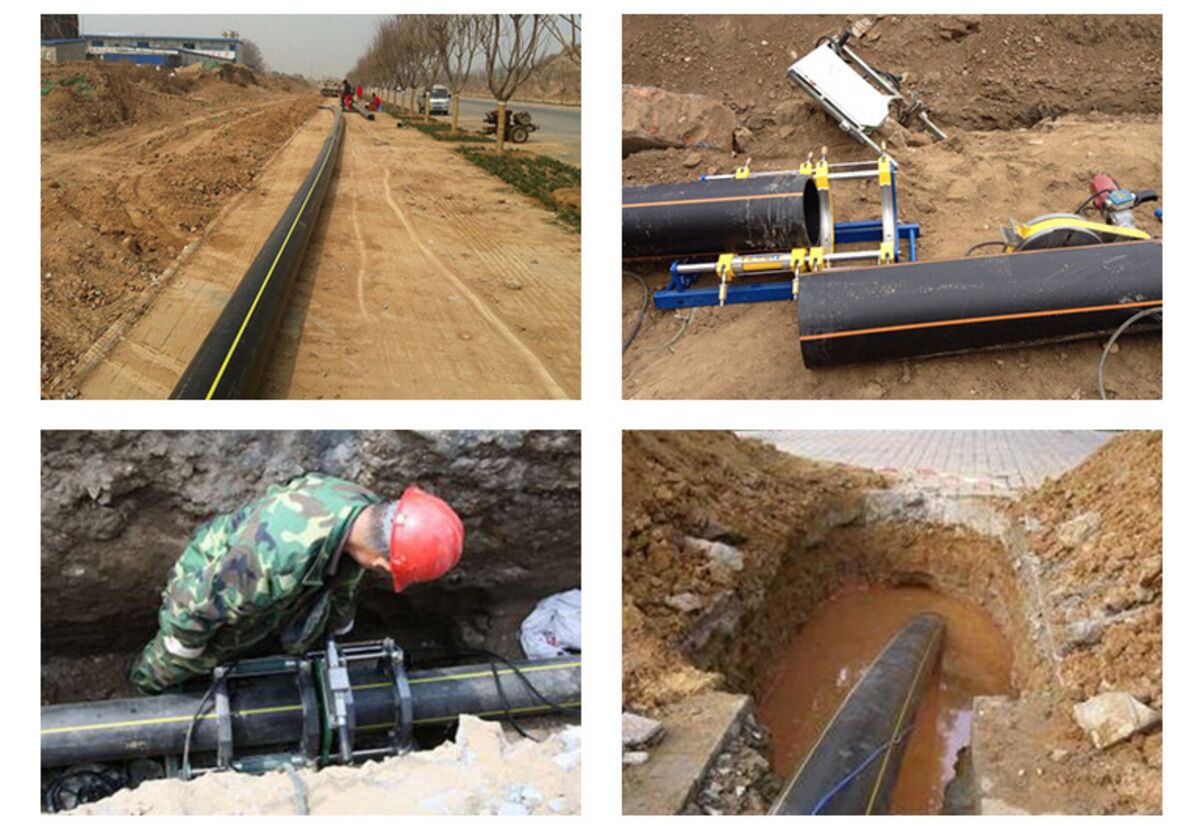
HDPE answers the biogas environment on two fronts. First, corrosion immunity: polyethylene is chemically inert to H2S and to the acids that form in biogas condensate, so it doesn't rust, pit or thin where steel would fail. Second, leak-tightness: its butt- and electrofused joints are homogeneous and monolithic, with no leak path — which matters enormously because methane is both explosive and a potent greenhouse gas, so containing it is a safety and an emissions imperative. Add flexibility for buried digester-to-plant runs and resistance to aggressive digestate, and HDPE fits the whole chain.
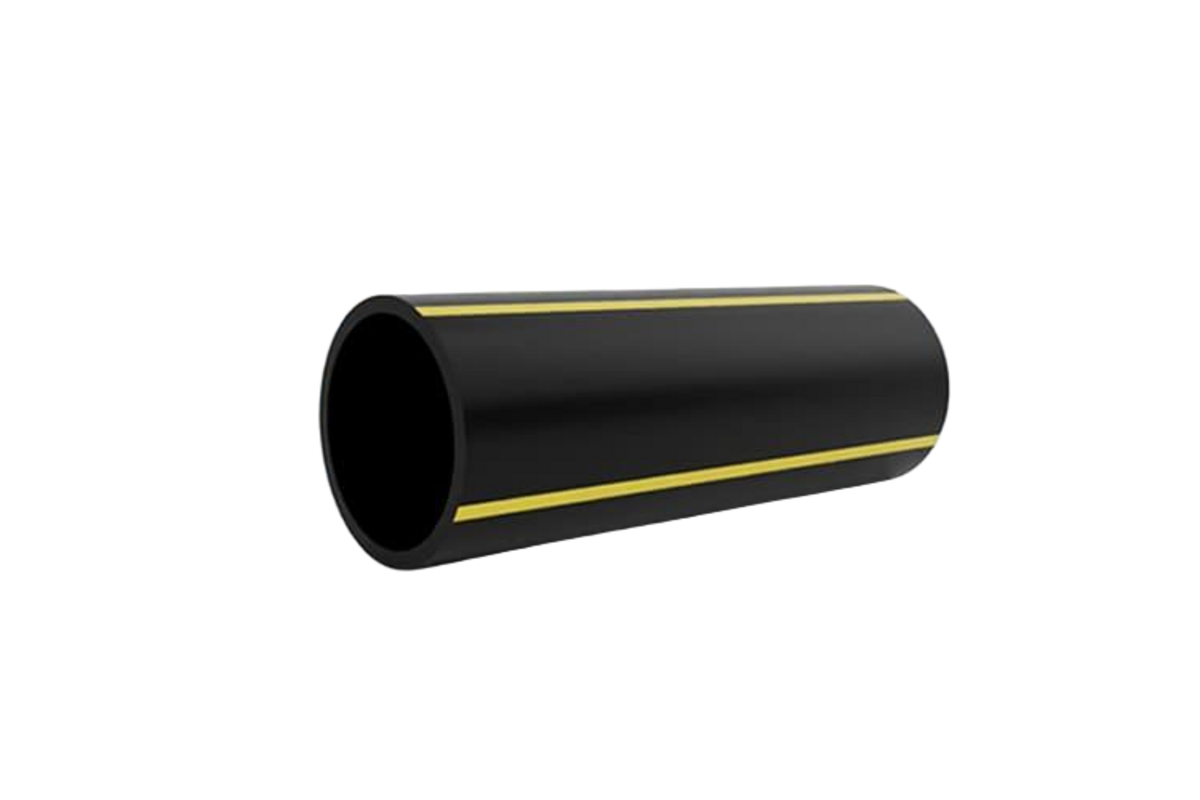
Where HDPE goes in a biogas/RNG plant
HDPE appears across the biogas and renewable-natural-gas chain, from the wet, sour raw-gas collection through to the clean biomethane that's injected into the grid. The table maps the main segments. The common thread on the raw side is corrosion immunity, and on the clean side it's that biomethane uses the very same PE gas pipe as the distribution network.
| Segment | Service | HDPE role |
|---|---|---|
| Digester-to-plant collection | Raw biogas, low pressure / slight vacuum | Buried fused runs; corrosion-immune |
| Raw biogas to upgrading / CHP | Wet, H2S-laden gas | Corrosion- & condensate-tolerant |
| Digestate & slurry lines | Abrasive, aggressive slurry | Fused HDPE; far cheaper than stainless |
| Condensate / knockout drains | Acidic condensate | Inert to carbonic / sulfuric condensate |
| Biomethane (RNG) conveyance | Pipeline-quality gas | PE gas-grade pipe |
| Grid-injection connection | Biomethane into the distribution grid | The same PE100 gas pipe as the grid |
Biogas vs biomethane: what changes after upgrading
Raw biogas and upgraded biomethane are very different fluids, and the difference shapes the piping. Raw biogas is roughly half methane and half carbon dioxide, with H2S and moisture; after upgrading, the CO2, H2S, moisture and trace contaminants are removed to leave pipeline-quality biomethane that's almost entirely methane. The table compares them — and the practical point is that the corrosive, condensate-forming challenge is on the raw side, while the clean biomethane behaves like ordinary natural gas in PE pipe.
| Component | Raw biogas (approx.) | After upgrading |
|---|---|---|
| Methane (CH₄) | ~50–65% | ≥95–97% (pipeline quality) |
| Carbon dioxide (CO₂) | ~35–50% | Removed |
| Hydrogen sulfide (H₂S) | Hundreds–thousands ppm | Removed |
| Moisture | Saturated (→ condensate) | Dried |
| Siloxanes / VOC | Trace | Removed / limited |
Condensate management: slope, traps & knockouts
Because raw biogas leaves the digester saturated with moisture, condensate forms in the pipe wherever the gas cools — and that condensate is acidic. The design discipline, the same as for landfill gas, is to slope the lines continuously to low-point traps and knockouts so the liquid drains and is removed, and to avoid unintended high points where gas pockets or low points where liquid slugs could form. HDPE handles the acidic condensate that would corrode steel, but the slope-and-trap design still has to be right or the line floods and chokes.
Grid injection: the PE network is renewable-gas-ready
The forward-looking payoff is grid injection. Once biogas is upgraded to biomethane, it's injected into the existing polyethylene gas distribution network — the same PE pipe that carries natural gas — after meeting the gas-quality spec, matching pressure, and being odorised for leak detection. In other words, the buried PE grid is already renewable-gas-ready: it carries biomethane today and is being validated for hydrogen blends, making polyethylene the common backbone for the decarbonising gas network.
Pressure & temperature: warm-gas derating
Pressure is rarely the challenge — collection runs at low positive pressure or slight vacuum, and grid injection is at distribution pressure, both well within PE's range. Temperature deserves a note, though: anaerobic digestion runs warm (mesophilic around 35–40 °C, thermophilic around 50–55 °C), so raw gas leaving the digester can be warm enough that HDPE's pressure rating should be derated. The material is comfortable in this range, but the warm digester-gas lines should be sized at the derated rating rather than the 20 °C value.
HDPE vs steel, stainless & PVC
For biogas specifically, the material comparison is clear-cut on the wet, sour side. Carbon and galvanised steel corrode badly in H2S and acidic condensate and need coatings and constant inspection. Stainless steel resists corrosion and is used for some hot or high-spec above-ground runs, but it's expensive and can still suffer localised attack in biogas. PVC is cheap on small plants but UV-sensitive, less tough, and not fusible. HDPE is the natural choice for buried collection, conveyance, digestate, condensate and grid-injection runs — corrosion-immune, fused and economical — with stainless reserved for the high-temperature above-ground spec sections.
Standards
Biogas and biomethane HDPE is made to the PE gas-pipe standards — ISO 4437, EN 1555 or ASTM D2513 — and joined by the same butt and electrofusion as natural-gas service. On the clean side, biomethane injected into the grid must meet the gas-quality specifications (such as EN 16723 in Europe, or the local pipeline tariff specification), including odorisation. Note that H2S and siloxane removal are functions of the gas-upgrading equipment, not the pipe — the pipe's job is corrosion-immune, leak-tight conveyance.
5 common mistakes
- Specifying corrodible steel for wet, H2S-laden raw biogas — premature internal corrosion.
- No condensate management — missing the slope to low-point traps and knockouts, so liquid slugs choke the line.
- Ignoring temperature derating on warm digester gas — sizing the lines at the 20 °C rating.
- Underrating leak-tightness — relying on mechanical joints where fusion is needed, when methane is explosive and high-GWP.
- Confusing scope — expecting the pipe to clean the gas; H2S and siloxane removal are upgrading-equipment functions, not the pipe's.
References & standards
- [1]BioCycle — Biogas piping design and safety fundamentals
- [2]PE100+ Association — Modern PE pipe enables transport of hydrogen / renewable gas
- [3]IEA Bioenergy — Task 37 — energy from biogas (anaerobic digestion)
- [4]European Biogas Association — Biomethane standards: facilitating renewable gas uptake
- [5]ASTM International — ASTM D2513 — PE gas pressure pipe, tubing & fittings
- [6]European Standards — EN 16723 — biomethane for grid injection & transport fuel
- [7]energypedia — Piping systems for biogas plants
- [8]WL Plastics — HDPE pipe powers biogas generation facility (case)
Frequently asked questions
Need expert advice on your project?
Our engineering team helps utilities, contractors and EPCs specify the right pipe material and SDR for their project. Get a no-obligation technical consultation.
Talk to an engineerRead next
Explore further
Related applications, material comparisons and country buying guides selected for this topic.