Guide
HDPE Socket Fusion: How to Make a Sound Socket-Fused Joint (2026)
Heat the pipe and the fitting socket together, push straight in to the stop — and never twist. The small-diameter fusion method, done right.

Dr. Wei Liu, P.E.
Senior Engineering Manager · Primepoly
Published: Jun 8, 2026
Updated: Jun 8, 2026
11 min read
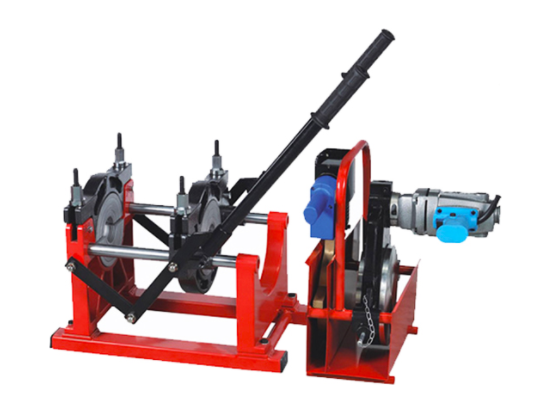
Socket fusion is the heat-fusion method for smaller HDPE pipe and the fittings that go with it. The pipe end and the fitting's socket are heated together on a tool, then the pipe is pushed straight into the socket to a stop and held while it fuses — forming an overlapping joint rather than the end-to-end weld of butt fusion. It's quick and needs no large machine, which makes it the natural choice for small-bore, fittings-heavy work (and for PE-RT and PP-R plumbing). The cardinal rule: never twist as you push it home. This guide shows how to do it right.
What HDPE socket fusion is
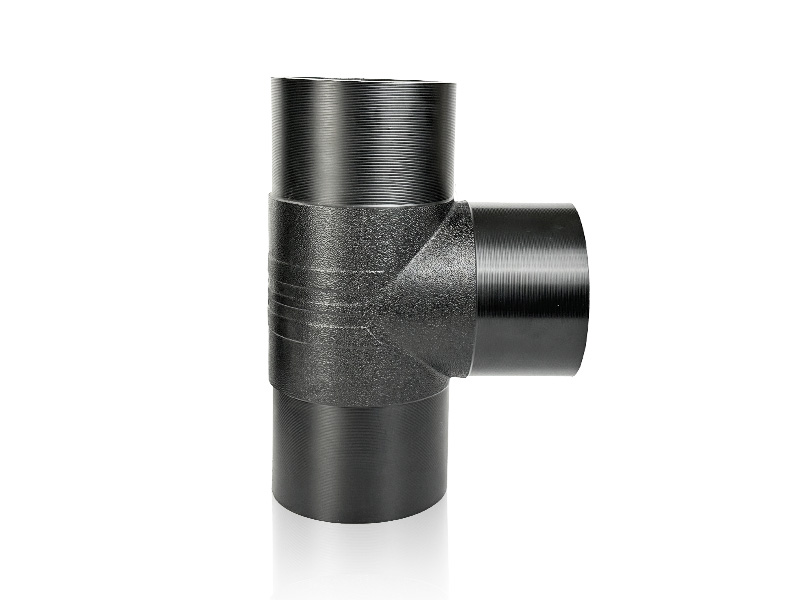
In socket fusion, a heated tool with a male spigot and a female bushing simultaneously heats the outside of the pipe end and the inside of the fitting's socket. After the heating time, both are removed from the tool and the pipe is pushed straight into the socket to a stop depth; the melt fuses under the interference fit and forms a bead. The result is an overlap joint — the pipe seated inside the fitting — not the end-to-end weld of butt fusion. It's used mainly for smaller diameters and for joining fittings like couplings, elbows and tees.
Socket vs butt vs electrofusion — when to use each
The three heat-fusion methods suit different work. Socket fusion is for small diameters and fittings-heavy runs, with a compact tool and no big machine. Butt fusion is for larger straight runs, joining pipe end-to-end into a continuous main. Electrofusion uses a fitting with a built-in heating coil and is the choice for tight spaces, buried lines and repairs where you can't face or align the ends in a machine. The table sets socket against butt; pick the method by diameter, the work, and the access you have.
| Aspect | Socket fusion | Butt fusion |
|---|---|---|
| Diameter | Small (≤ ~110 mm) | Small to very large |
| Uses a fitting? | Yes (coupling / elbow / tee) | No — pipe end to pipe end |
| Joint geometry | Overlap, pipe seated to a stop depth | End-to-end, single bead |
| Equipment | Bench / handheld heated tool, cold ring, depth gauge | Butt-fusion machine (carriage, facer, heater) |
| Best for | Fittings-heavy small-bore work | Long large-diameter straight runs |
| When to use electrofusion instead | Tight spaces, buried lines, repairs (no facer needed) | — |
Key parameters: temperature, heating & cooling time
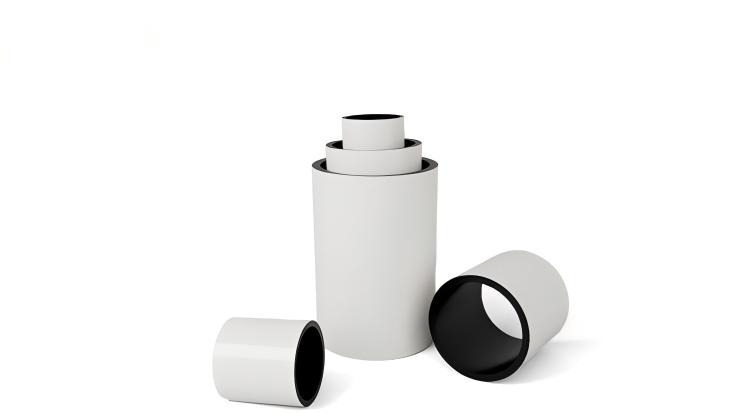
Three parameters make or break a socket joint: the tool temperature, the heating time for the size, and the cooling time. The North American practice (ASTM F2620) sets the tool faces at 490–510 °F (254–266 °C); the European DVS procedure runs socket welding in a similar hot range (and differently from its butt-welding figure). Heating times run from a few seconds for small pipe to half a minute or so for larger socket sizes, with PE100/HDPE needing slightly longer than PE80/MDPE. Because these vary by tool and fitting, always follow the fitting maker's chart and verify the tool faces with a pyrometer.
How to make a sound socket-fused joint
The order is fixed and the watchwords are clean, square, straight and patient. The path below walks the joint from cut to cooled.
How to tell a good joint from a bad one
A sound socket joint shows a small, uniform bead of melt squeezed out evenly around the mouth of the fitting, with the pipe seated fully to the depth mark and no gaps. The warning signs are the mirror of the mistakes: too little bead (under-heated — a cold joint that will leak), excessive squeeze-out or a narrowed bore (over-heated), an uneven or one-sided bead (off-square cut or a tilted push), the pipe not reaching the depth mark (short engagement), or a twisted, smeared bead (rotated on insertion). When in doubt, cut it out — a suspect socket joint is cheap to remake and expensive to leave.
5 common mistakes
- Twisting the pipe as you push it into the socket — the single biggest cause of a weak, leaking joint.
- Wrong heating time — too little gives a cold joint, too much gives excess melt and a narrowed bore.
- Not scraping and cleaning the pipe OD and socket ID — the oxidised skin and dirt won't fuse.
- Not pushing the pipe fully to the depth mark — short socket engagement.
- Pressurising or stressing the joint before it has fully cooled.
Glossary
- Socket fusion
- Heating a pipe end and a fitting socket on a tool, then pushing the pipe into the socket to fuse an overlap joint — for small diameters and fittings.
- Cold ring
- A clamp fitted to the pipe that sets the insertion depth and keeps the joint square during socket fusion.
- Depth gauge
- A tool that marks and limits how far the pipe enters the socket, ensuring full engagement to the stop.
- Heating time
- The time the pipe and fitting are held on the heated tool faces to develop the melt — set by size and the fitting maker's chart.
- Insertion depth
- How far the pipe must seat into the socket (to the stop) for full engagement; too shallow weakens the joint.
- Twist (the cardinal error)
- Rotating the pipe as it enters the socket, which displaces the melt and causes leaks — never do it.
References & standards
- [1]ASTM International — ASTM F2620 — heat fusion (covers butt & socket)
- [2]DVS — DVS 2207-1 — heated-tool welding of PE pipes
- [3]Plastics Pipe Institute (PPI) — Handbook of PE Pipe, Ch. 9 — joining procedures
- [4]Geo-Flo Corporation — Socket fusion procedures (field guide)
- [5]Hayes Industrial Solutions — PE pipe socket fusion time cycles (parameters)
- [6]HDPE Supply — Poly pipe socket & butt fusion manual
- [7]Plastics Pipe Institute (PPI) — TN-13 — guidelines for butt, saddle & socket fusion
- [8]Knoxville Utilities Board — Socket fusion joining for PE pipe (utility procedure)
Frequently asked questions
Need expert advice on your project?
Our engineering team helps utilities, contractors and EPCs specify the right pipe material and SDR for their project. Get a no-obligation technical consultation.
Talk to an engineerRead next
Explore further
Related applications, material comparisons and country buying guides selected for this topic.