Application
HDPE Dredging & Marine Pipe: Floating Pipelines, Floaters & Ballast (2026)
Why dredgers and marine outfalls run on polyethylene — abrasion-proof slurry lines, clamp-on floaters, and the float-and-sink method for submarine pipelines.

Dr. Wei Liu, P.E.
Senior Engineering Manager · Primepoly
Published: Jun 8, 2026
Updated: Jun 8, 2026
13 min read
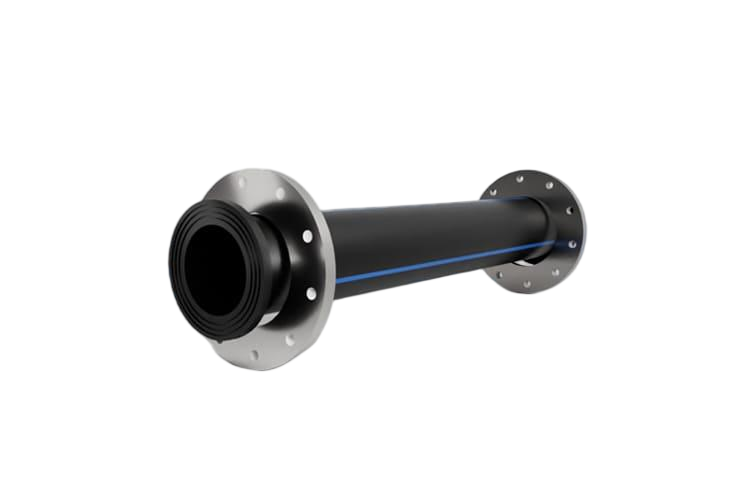
From a cutter-suction dredger's discharge line to a city's submarine outfall, the pipe of choice on the water is polyethylene. It shrugs off the sand and grit that wear out steel, never corrodes in seawater, flexes with the swell instead of fatigue-cracking, and — crucially — floats, so long fused strings can be towed out and sunk into place. This guide covers HDPE for dredging and marine duty: why it wins, how floating pipelines and floaters work, and how a submarine line is sunk with the float-and-sink method.
What is HDPE dredging & marine pipe?
HDPE dredge pipe carries abrasive sand, silt and gravel slurry from a dredger to the disposal or reclamation site, while marine HDPE pipe serves outfalls, intakes and crossings. A dredging discharge line typically runs in three sections — a floating section on the water surface, a submerged "sinker" section, and a shore section. Marine pipelines are usually permanent fused runs, while dredge lines are often built to be dismantled and relocated as the dredger moves.
Why HDPE beats steel for dredging & marine duty
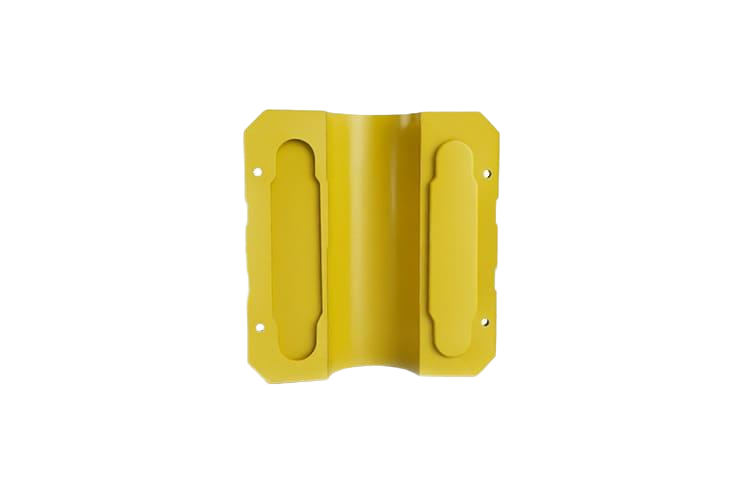
Polyethylene answers nearly every demand of the marine and dredging environment. It resists abrasion from sand slurry — and you can specify a thicker wall for more wear allowance — outlasting unlined steel. It's immune to seawater corrosion, so there's no cathodic protection or coating to maintain. It's flexible, so it rides waves and swell without the fatigue cracking that plagues rigid steel in the surf zone. And it's light and buoyant, so long fused strings float and tow easily. The table compares the two materials on the points that matter offshore.
| Attribute | HDPE | Steel |
|---|---|---|
| Weight / handling | Light, buoyant, towable | Heavy, needs lifting plant |
| Abrasion (sand slurry) | High; thicker wall extends life | Wears/punctures; often needs lining |
| Corrosion (seawater) | None — no cathodic protection | Corrodes; needs coating / CP |
| Flexibility | Rides waves & swell; fatigue-tolerant | Rigid; fatigue-prone in surf zone |
| Joints | Fused (leak-free) or coupler/flange | Welded / flanged; corrosion at seams |
| Best fit | Floating, abrasive slurry, outfalls | Very high pressure / temperature |
How floating pipelines work
There are three ways to keep an HDPE line where you want it in the water. An empty or partly full pipe floats on its own buoyancy because its relative density is below one. For a slurry-loaded line that would otherwise sink, clamp-on floaters — polyethylene shells filled with closed-cell foam, bolted in two halves around the pipe — add buoyancy, spaced to keep the required freeboard. And for a submarine line that must stay on the seabed, concrete ballast weights are bolted on to sink and hold it.
| Method | How it works | Used for |
|---|---|---|
| Self-floating | Empty/partly-full pipe floats (density < 1) | Light or empty floating runs |
| Clamp-on floaters | Foam-filled PE collars bolted around the pipe | Slurry-loaded floating dredge lines |
| Concrete ballast | Weights bolted on to sink and hold the line | Submarine outfalls, intakes, sinkers |
Sinking a submarine line: the float-and-sink method
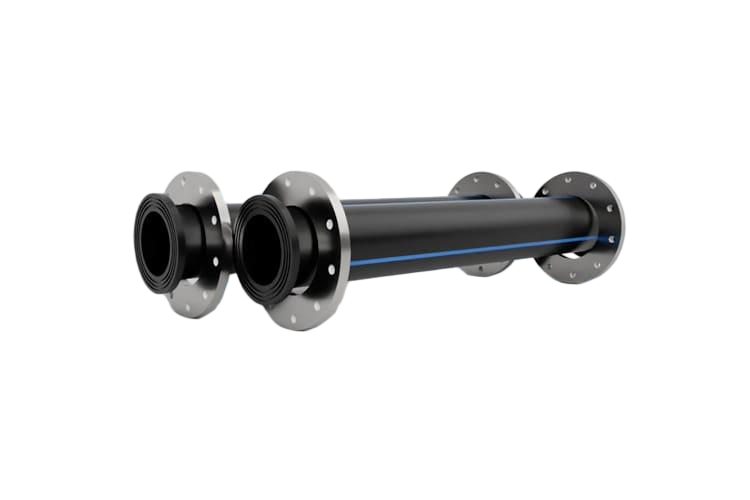
The classic way to install a marine outfall or intake is the float-and-sink method, which turns HDPE's buoyancy into the installation tool. The pipe is fused into long strings onshore, fitted with concrete ballast weights, capped and floated out to position, and then sunk in a controlled way by admitting water at one end while venting air at the other — so it descends in a gentle S-curve onto the prepared seabed. The ballast then holds it against currents and swell.
- Fuse the pipe into long strings onshore (often hundreds of metres) and pressure-check the joints.
- Bolt on the concrete ballast weights at the spacing set by the float-and-sink calculation.
- Cap the ends, float the ballasted string out, and position it over the prepared seabed route.
- Admit water at one end while controlling the air vented at the other, so the line sinks progressively in a controlled S-curve.
- Land it on the seabed, connect the sections, and let the ballast secure it against currents and swell.
Connections: couplers & flanges vs fusion
How you join the line depends on whether it must come apart. Dredge discharge lines that are relocated as the dredger advances use grooved/quick couplers (Victaulic-style) or bolted flange adaptors with backing rings, so spools can be dismantled and reused. Permanent marine outfalls and intakes use butt fusion and electrofusion for a monolithic, leak-free run. A common dredge build fuses flange adaptors to the spool ends and clamps floaters over the spools.
Pressure, surge & wall (SDR) selection for slurry
For dredge discharge, the wall thickness is chosen for three things at once: pump pressure, surge, and an abrasion allowance — not static pressure alone. The common dredge classes are DR11 (a thick wall for high solids, stiffness and wear margin) and DR17 (lighter, with more buoyancy). HDPE tolerates recurring surge to about 1.5 times and occasional surge to about 2 times its static rating, which gives useful headroom for the pressure spikes of slurry pumping — but derate for temperature and slurry density, and let the project engineering set the final SDR.
Marine applications
- Dredging discharge and land reclamation — abrasive sand/silt slurry from cutter-suction and trailing-suction dredgers.
- Marine outfalls — treated wastewater and desalination brine discharged offshore.
- Seawater intakes — for desalination, power-plant cooling and aquaculture.
- Sand bypass systems and beach nourishment.
- River, lake and harbour crossings, floated and sunk into place.
- Temporary and relocatable floating lines for marine construction.
5 costly buyer mistakes
- Specifying the wall on static pump pressure only — ignoring surge and abrasion allowance, so the SDR is too thin for slurry duty.
- Under-floating the line — too few or under-rated floaters for the slurry-filled pipe weight, so it loses freeboard or submerges.
- Permanently fusing a dredge line that has to be relocated — use couplers or flange adaptors for dismantling duty.
- Treating ballast as guesswork on an outfall — concrete weight and spacing must come from float-and-sink calculations and a marine engineer.
- Forgetting marine-grade materials — non-UV pipe, or carbon-steel float bolts that corrode; use UV-stable black PE and stainless/galvanised hardware.
Glossary
- Floating pipeline
- A dredge or marine line kept on the water surface by the pipe's own buoyancy and/or clamp-on floaters.
- Floater / pontoon
- A polyethylene shell filled with closed-cell foam, bolted around the pipe to add buoyancy; spaced for the required freeboard.
- Float-and-sink
- The marine-install method: fuse onshore, ballast, float out, then sink by controlled flooding onto the seabed.
- Ballast / sinker weights
- Concrete collars bolted to a submarine line to sink it and hold it against currents and swell.
- Sinker section
- The submerged portion of a dredge discharge line, between the floating and shore sections.
- Abrasion allowance
- Extra wall thickness specified so the pipe tolerates wear from abrasive slurry over its service life.
References & standards
- [1]Plastics Pipe Institute (PPI) — Handbook of PE Pipe, Ch. 10 — marine installations
- [2]phcppros / PPI — PPI updates the marine chapter of the PE pipe handbook
- [3]Pile Buck Magazine — HDPE pipe applications in marine outfalls and intake structures
- [4]IADC — Facts about dredging plant and equipment (pipelines)
- [5]ISO — ISO 4427-1 — PE piping systems for water supply (general)
- [6]EDDY Pump — HDPE dredge pipe — construction, advantages & installation
- [7]Victaulic — Style 904 flange adapter for HDPE flanged pipe
- [8]Eurohinca — How submarine outfalls are constructed
Frequently asked questions
Need expert advice on your project?
Our engineering team helps utilities, contractors and EPCs specify the right pipe material and SDR for their project. Get a no-obligation technical consultation.
Talk to an engineerRead next
Explore further
Related applications, material comparisons and country buying guides selected for this topic.