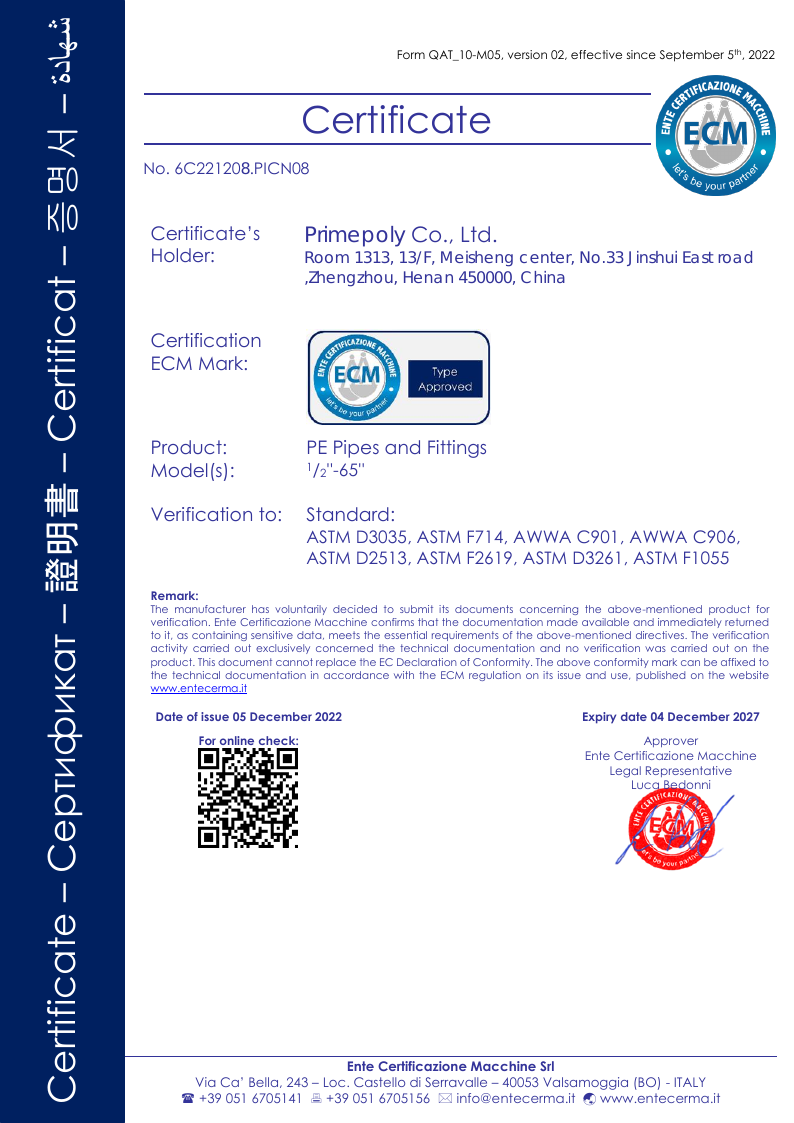
CE / ANSI
American standards compliance

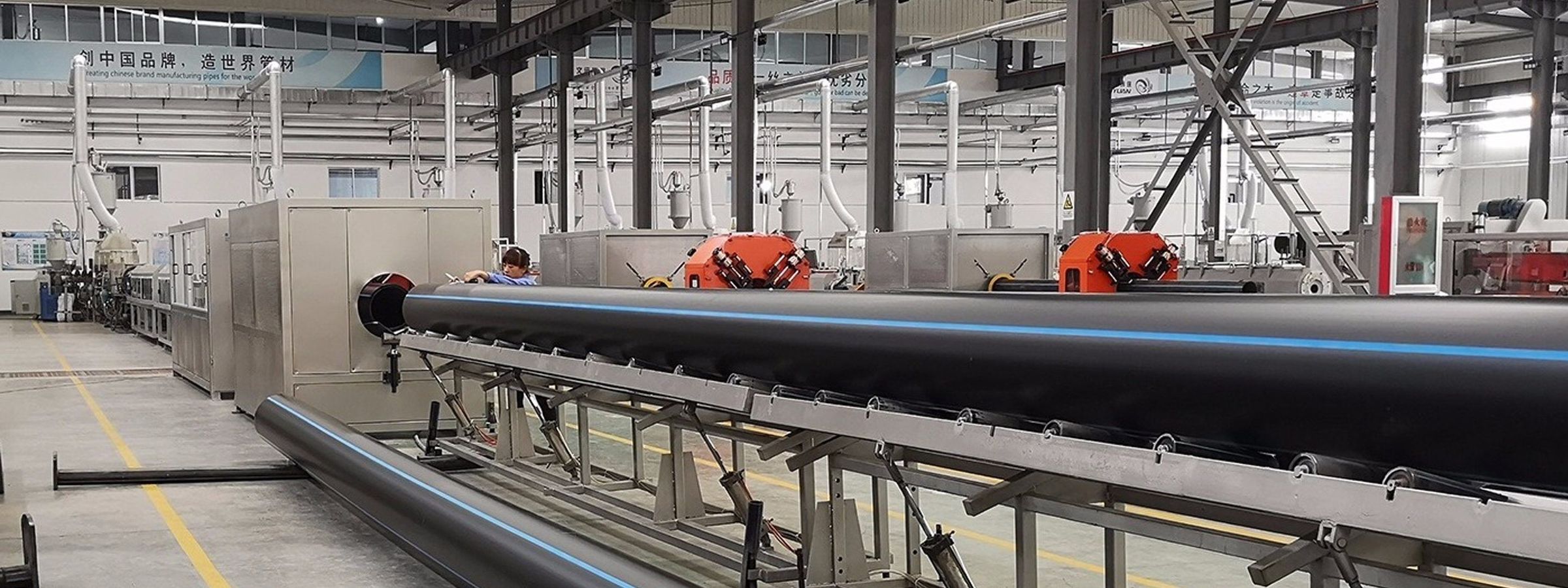
Primepoly — leading PE100 HDPE pipe factory exporting water supply, mining and industrial PVC pipe to 40+ countries across Africa, Southeast Asia and the Middle East.
GET TO KNOW USAbout Primepoly
Primepoly Co., Ltd. — established 2015 in Zhengzhou, China — is a professional HDPE pipe manufacturer and PVC pipe supplier specialising in the R&D, production and global export of PE100 HDPE pipe, PVC industrial pipe, PPR plumbing pipe and HDPE pipe fittings (elbow, tee, reducer, flange, butt fusion & electrofusion).
Our HDPE / PVC / PPR pipes serve municipal water supply, mining slurry transport, agricultural irrigation, gas distribution, telecom conduits and industrial wastewater in 40+ countries — with deep delivery experience in Africa (Nigeria, Ghana, Kenya), Southeast Asia (Vietnam, Indonesia, Philippines) and the Middle East (Saudi Arabia, UAE). All pipes manufactured to ISO 4427, ASTM F714, AWWA C906, WRAS and NSF 61 standards.
B2B customers across Africa, Southeast Asia, the Middle East and Latin America rely on Primepoly for HDPE and PVC piping systems.




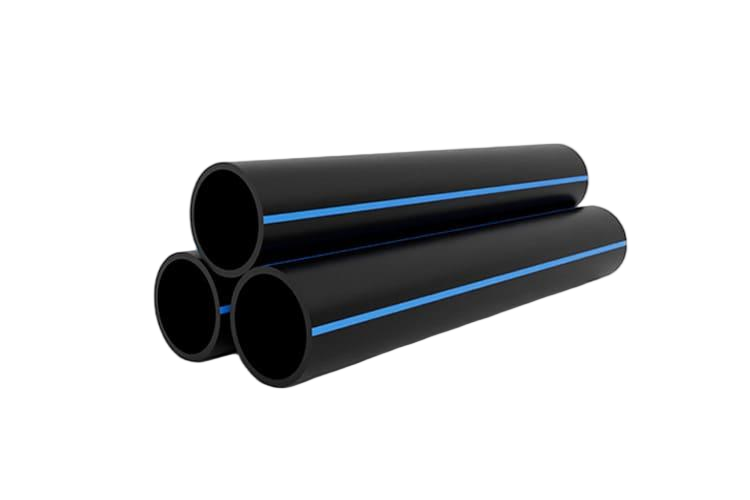
Primepoly PE100 HDPE water supply pipe for municipal potable water, drinking water mains and high-rise plumbing. WRAS / NSF 61 / ISO 4427 certified, sizes DN12 – DN2000, pressure ratings SDR41 – SDR7.4 (PN6 – PN25). Long coil rolls and straight 6/12 m lengths available — wholesale & OEM. Trusted by water projects across Africa, Southeast Asia and the Middle East.
Read more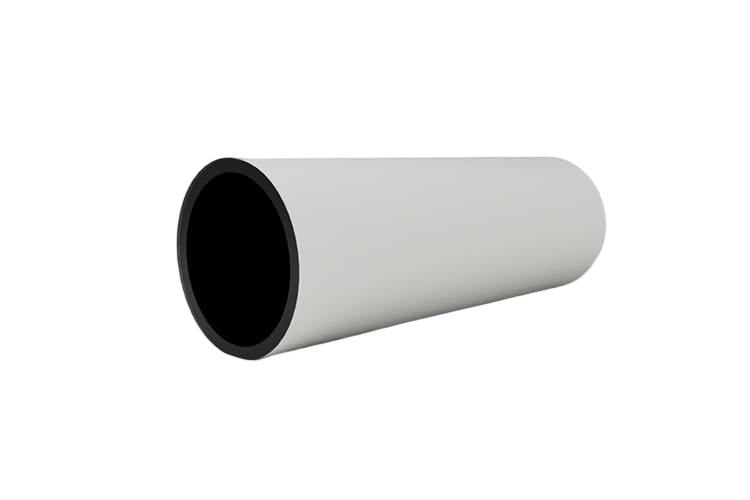
Industrial-grade HDPE mining pipe engineered for slurry transport, mine dewatering and tailings disposal lines. Abrasion-resistant PE100 with optional UV-resistant black & white co-extruded layer. Trusted HDPE slurry pipeline supplier for African mining (Ghana, Nigeria, DRC) and Southeast Asia. Custom diameters DN90 – DN1600, SDR9 – SDR17.
Read more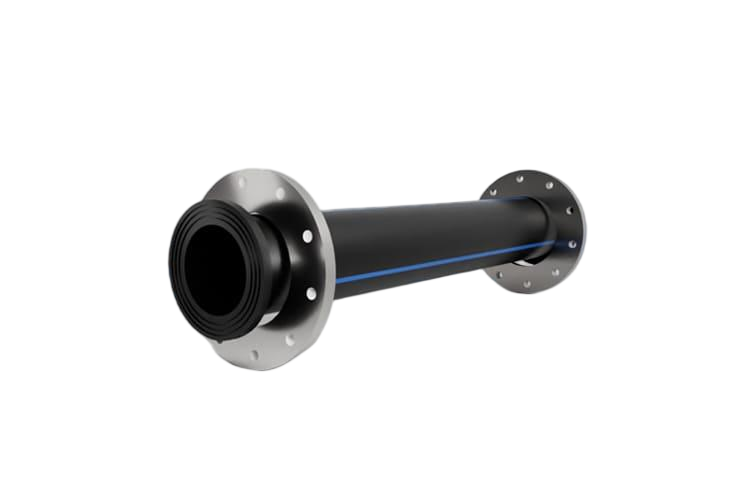
HDPE dredge pipe and dredging pipeline for sand, mud and slurry transport over long distances. Lightweight, abrasion-resistant pipe sections delivered with pre-installed steel flanges for fast field connection. Buoyant HDPE pipe for floating dredger lines, plus heavy-wall HDPE slurry pipe for bottom-laid sections. Custom OD up to DN2000.
Read more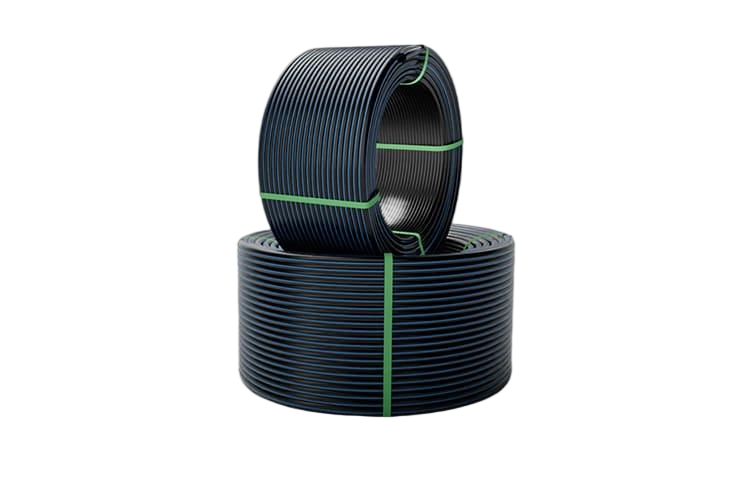
HDPE irrigation pipe for drip, sprinkler and buried main lines — supplied as straight lengths, large coil rolls (100/150/200 m) and pre-perforated drip lateral. PE100 black with blue identification stripe, UV-stabilised for surface use. Popular HDPE irrigation pipe for Southeast Asia, Africa and the Middle East — supplied PN6 to PN16, DN16 to DN630.
Read more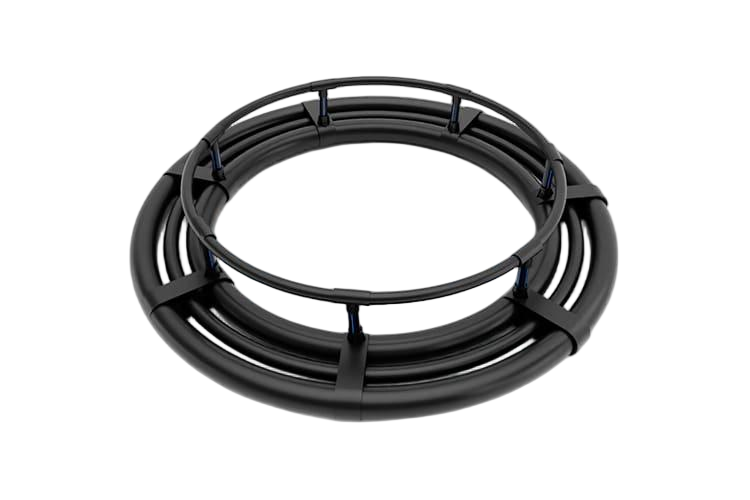
PE100 HDPE pipe and brackets engineered for marine aquaculture: floating fish-farm cages, mussel rafts and seawater intake / outfall lines. Inert, non-toxic, UV / salt water / biofouling resistant. Custom HDPE fish-cage frames and PE100 sub-sea outfall lines for Southeast Asia and Middle East farming projects.
Read more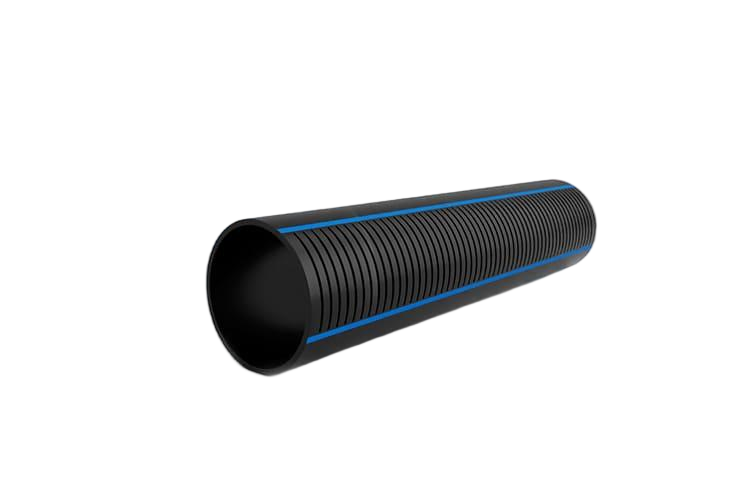
Comprehensive HDPE drainage range: smooth-bore solid wall pipe with blue identification stripes, double-layer co-extruded pipe (sand-blast coated outer), corrugated slotted pipe for soakaway and field drainage, and round-perforated underdrain pipe. PE100 resin, sizes DN50 – DN1200, joining via butt-fusion or electrofusion.
Read more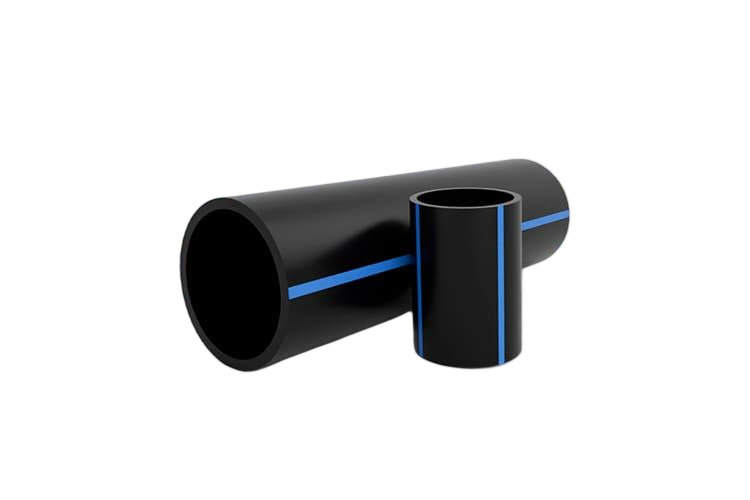
HDPE pipes manufactured to American standards — ASTM F714 / D3035 / D2513 / D3261 / F1055 — for the North American water, gas, mining and industrial markets. PE4710 / PE100 resin, IPS dimensions, full DR ratings from DR7 to DR32.5. NSF/ANSI 61 certified for drinking water.
Read more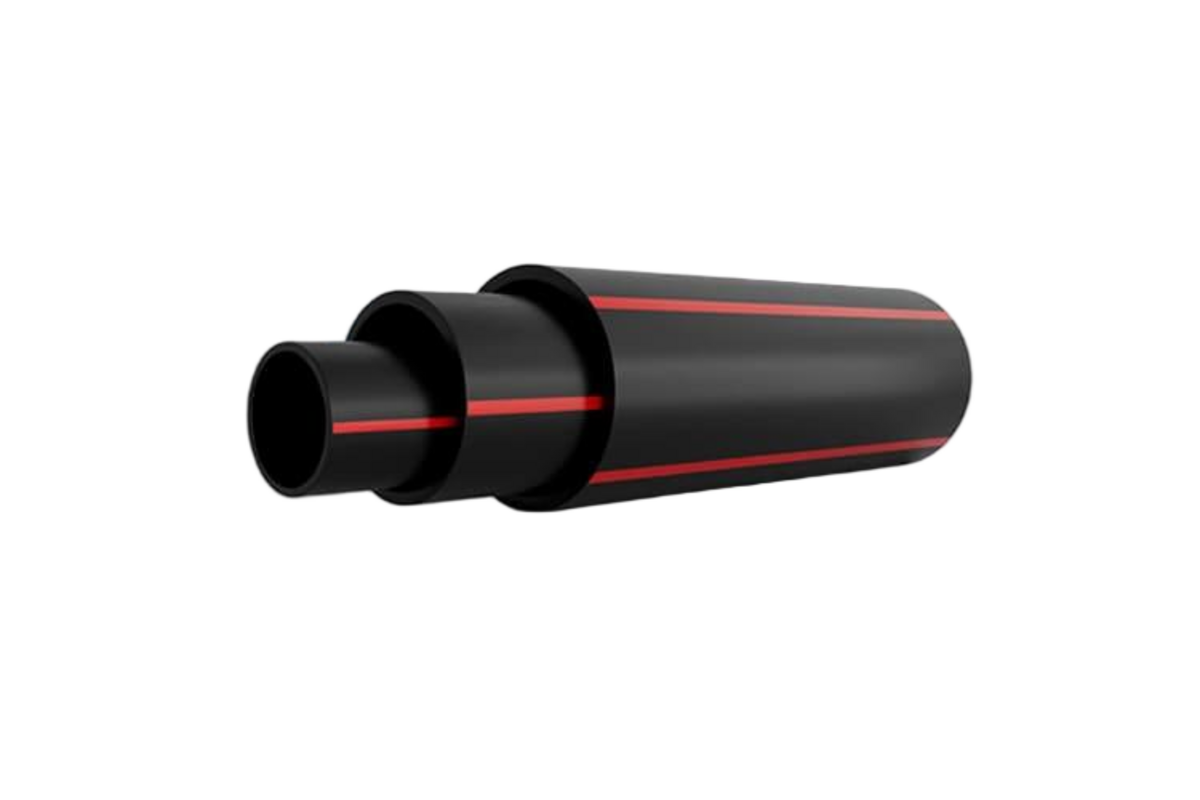
HDPE fire-protection pipes for underground fire mains, hydrant supply lines and standpipe systems. Identifiable red-stripe and blue-stripe versions for service-line marking, plus AWWA C906 versions for North American projects. PE100 / PE4710 resin, sizes DN50 – DN1200, pressure ratings up to PN25 (DR9). Available with FM Approvals and UL/ULC listings on request.
Read more Guide
GuideJul 7, 2026·9 min read
Yes — PVC pipe certified to NSF/ANSI 61 is safe for drinking water and has a 70-year track record. Certification caps any chemical migration below health limits, confirms the pipe is lead-free (NSF 372), and is backed by twice-yearly plant inspections. Always specify potable-grade, third-party-certified pipe and the matching solvent cement.
Read article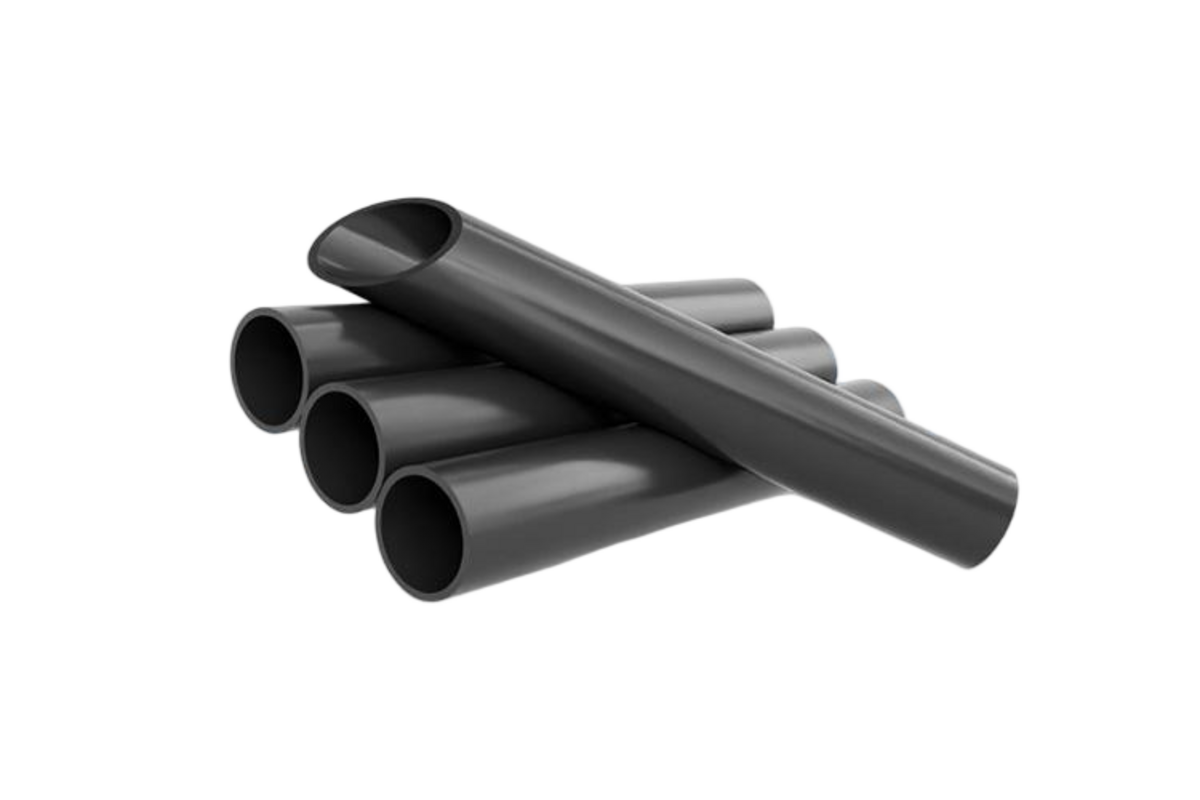 Guide
GuideJul 7, 2026·8 min read
PVC pipe is made by extrusion: PVC resin is dry-blended with stabilisers, lubricants and pigments, melted at about 170–190 °C, forced through an annular die, vacuum-sized, water-cooled, marked and cut. The die and the vacuum-sizing stage set the diameter and wall thickness — and therefore the pipe's pressure class.
Read article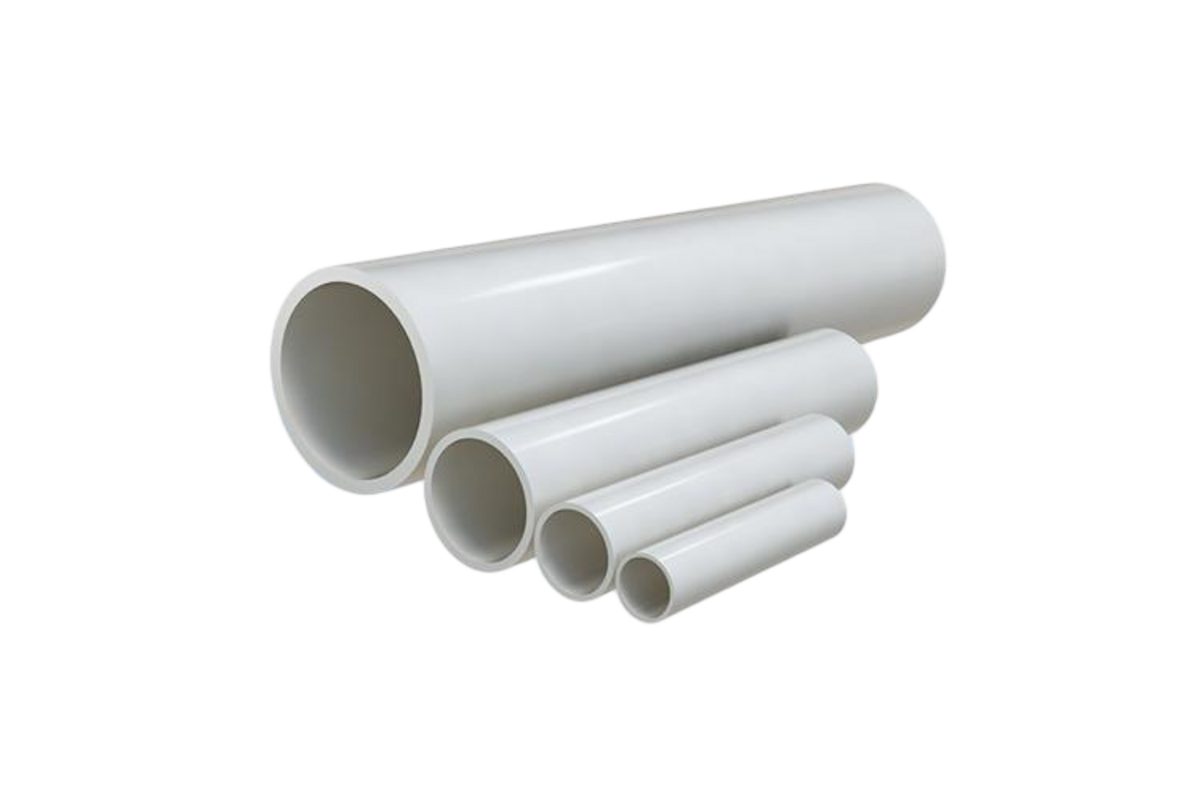 Guide
GuideJul 7, 2026·9 min read
PVC is sized by Nominal Pipe Size (NPS): every schedule of the same size shares one outside diameter, so fittings interchange, while Schedule 80's thicker wall gives it a smaller inside diameter than Schedule 40. This chart lists OD, wall and ID for Schedule 40 and 80 from 1/2" to 8".
Read article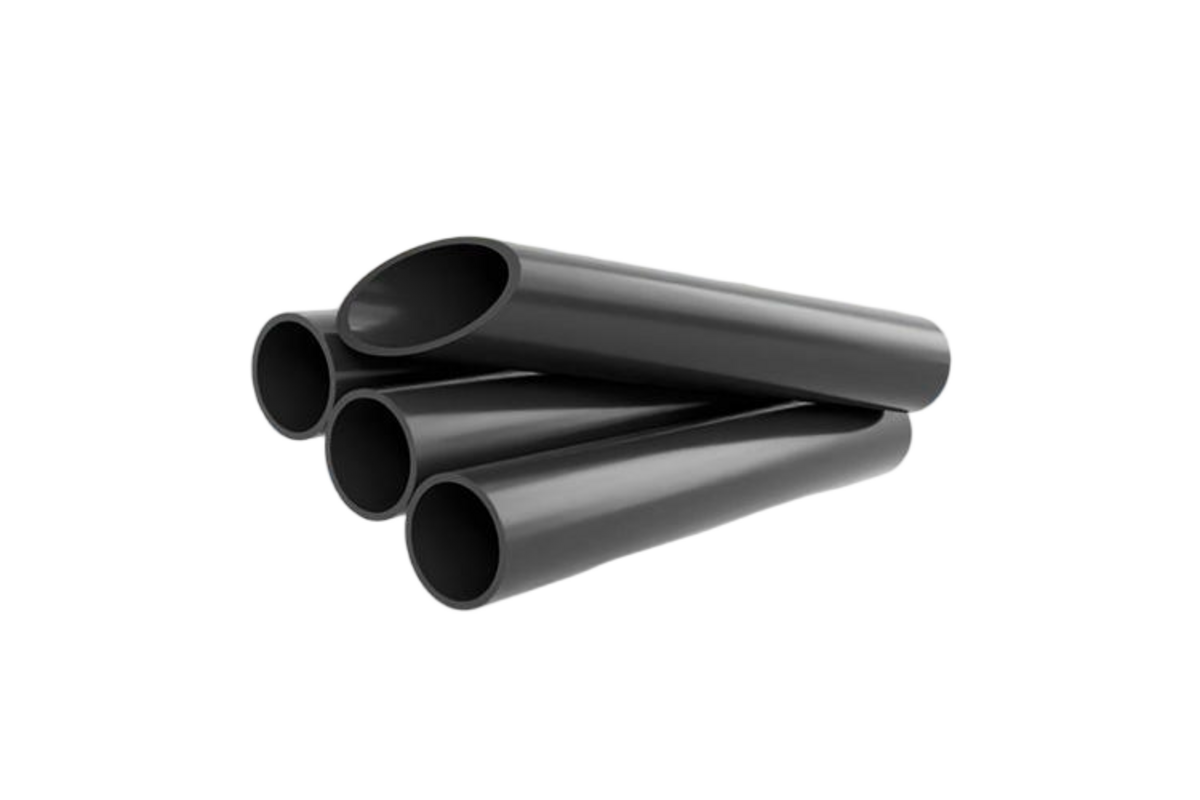 Comparison
Jul 6, 2026·10 min read
PVC and CPVC look alike, but CPVC's extra chlorine lets it handle much higher temperatures — about 93 °C vs 60 °C — and more aggressive chemicals. Use PVC for cold water, drainage and general service; use CPVC for hot water, hot chemical process and fire-sprinkler lines. The two are not solvent-weld compatible with each other.
Read article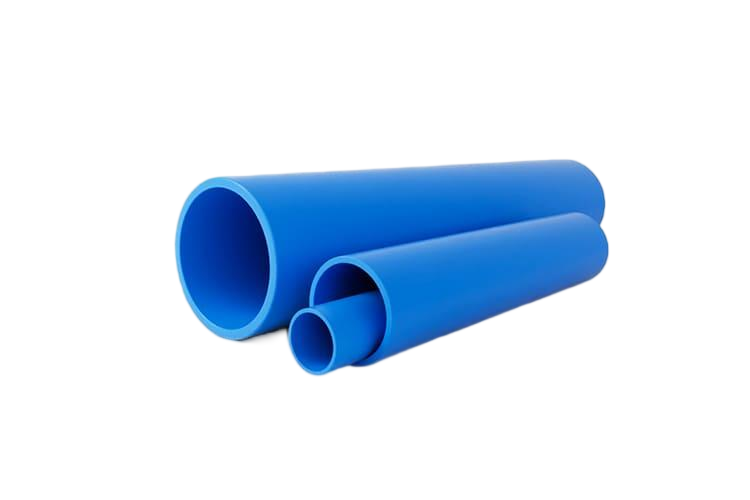
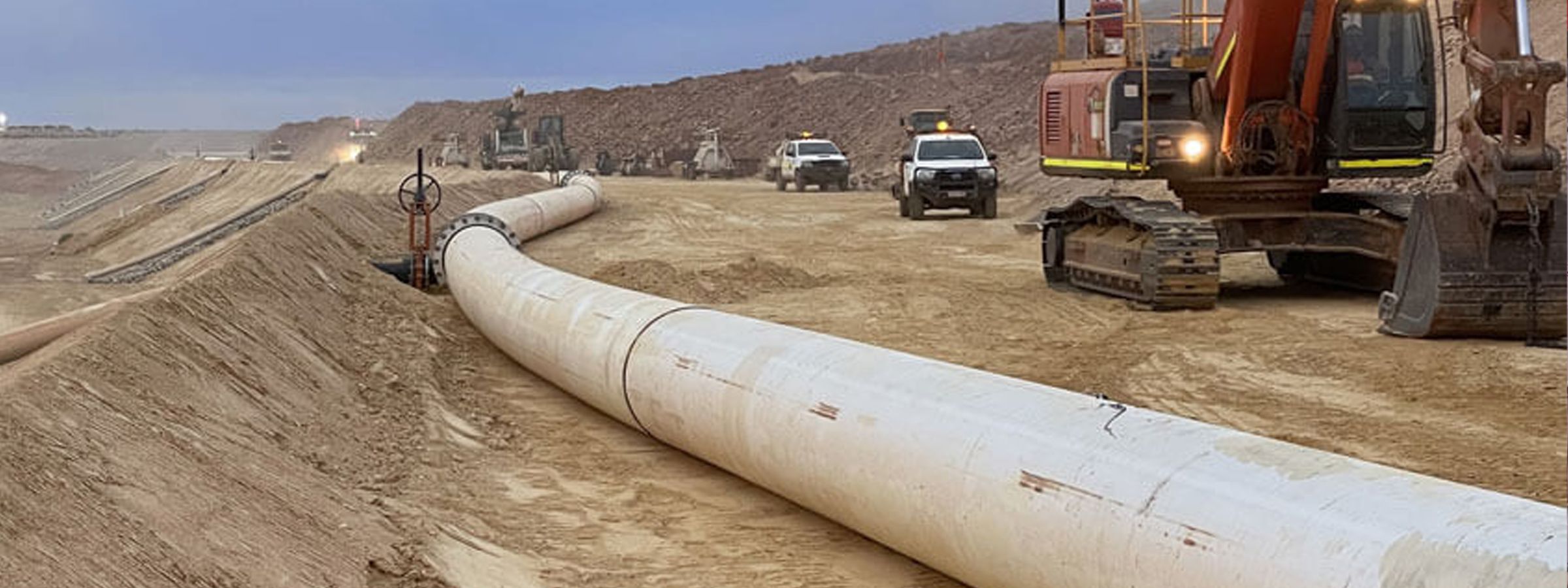
In the last century, metal pipes were once the dominant material for water distribution before modern HDPE solutions took over.
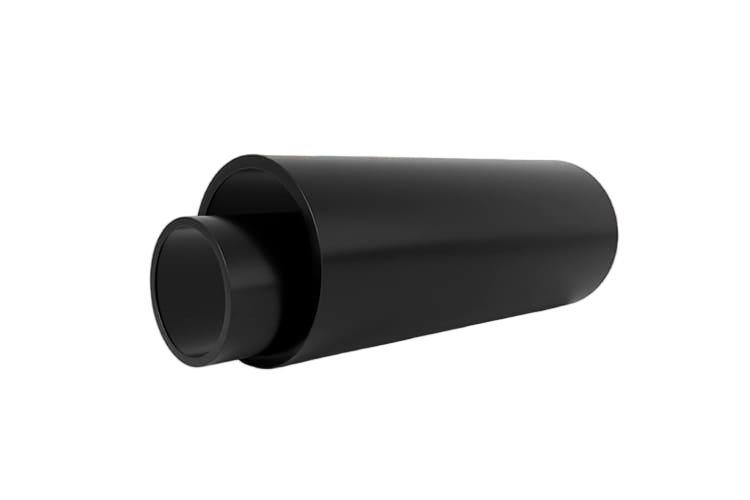
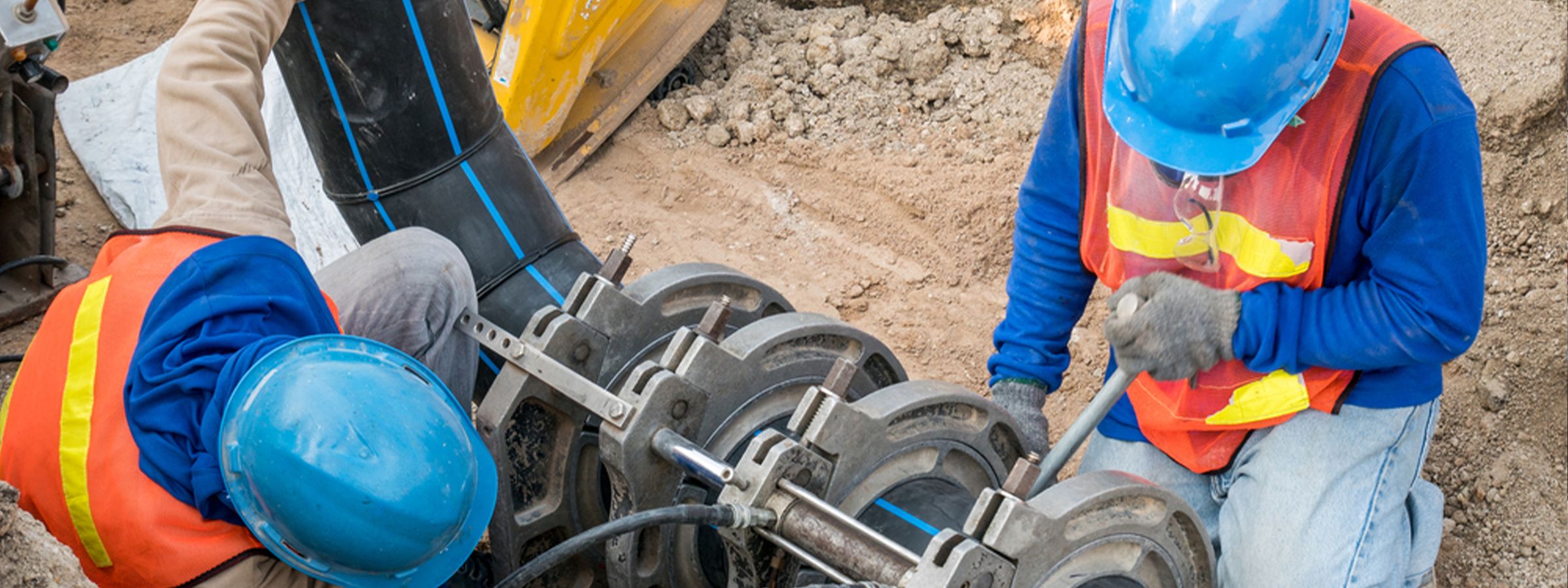
In order to ensure the long-term safe construction of mines and industrial sites, HDPE piping systems are essential.
Sprinkler irrigation and drip irrigation are two widely adopted methods that benefit greatly from durable HDPE pipe networks.
Logistics
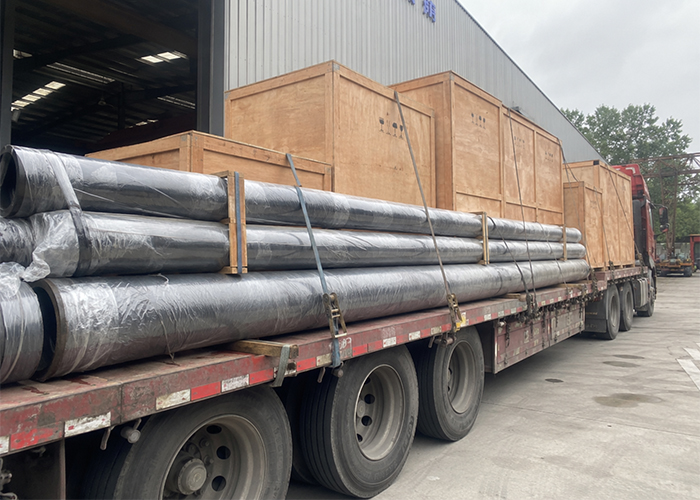
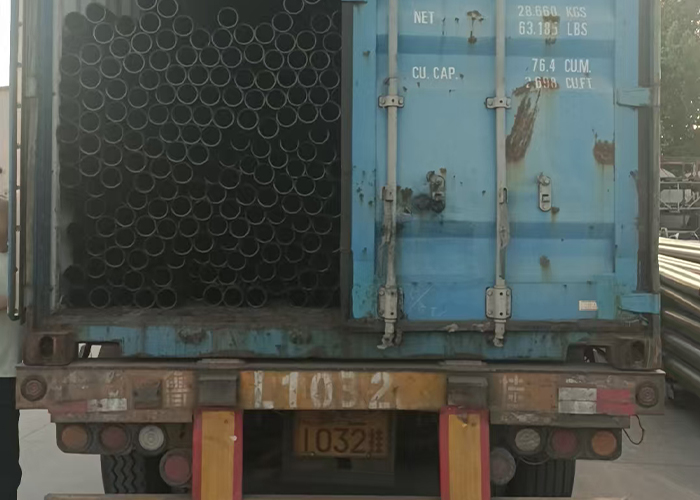
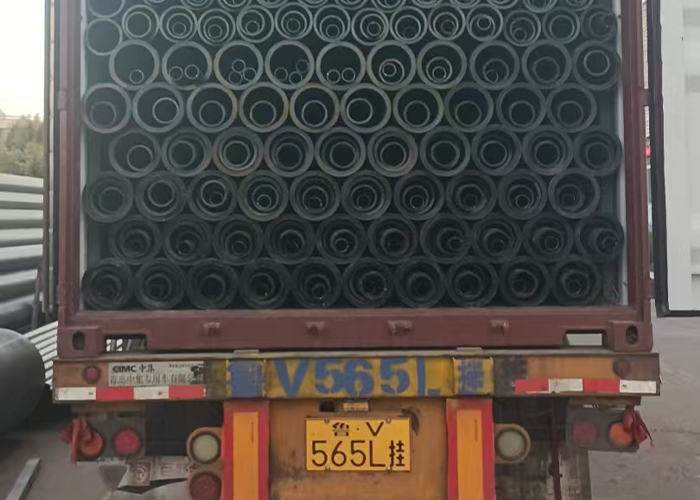
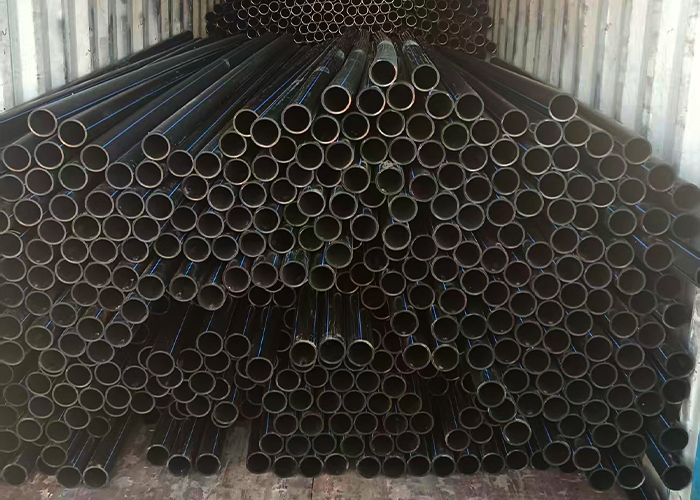
Every order is bundled with PE film and steel strapping, then loaded by our experienced teams into 20' / 40' containers or break-bulk vessels. We handle FOB and CIF delivery to ports across Africa, Southeast Asia, the Middle East and Latin America.
Certifications
Our HDPE, PVC and PPR products are independently tested and certified to international standards for drinking water safety, quality management and product compliance.
American standards compliance
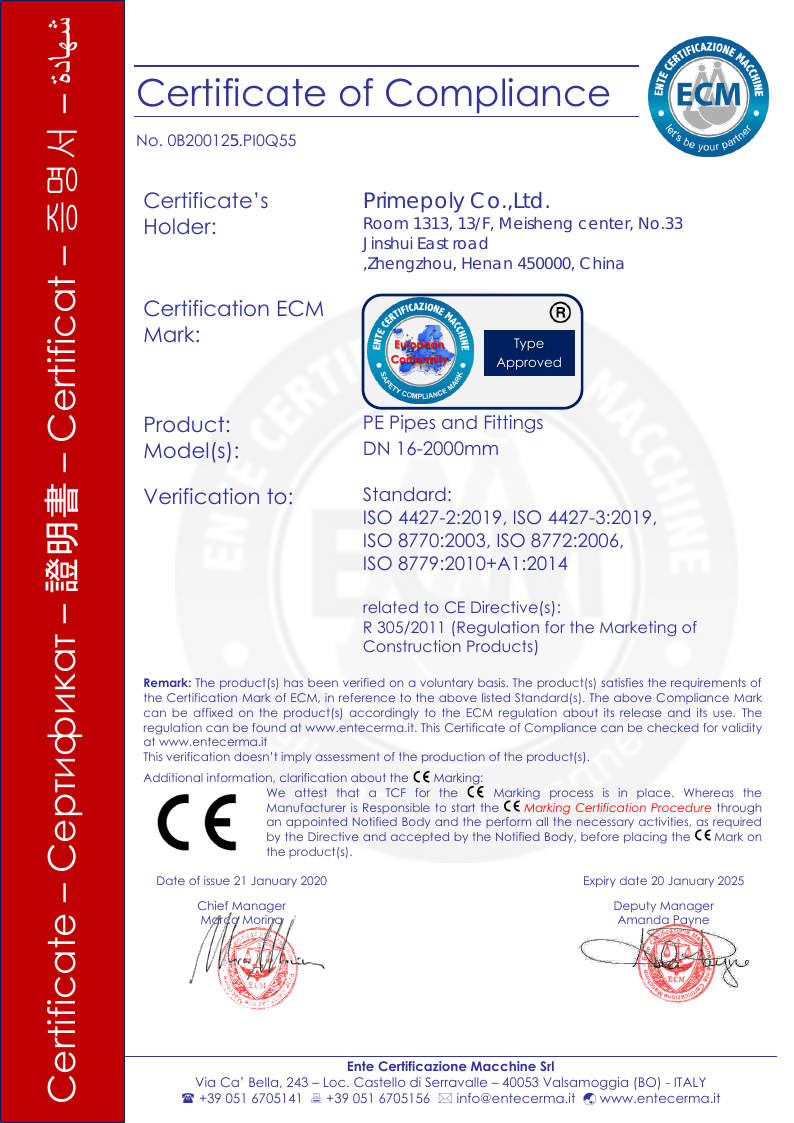
ISO 9001 quality management system
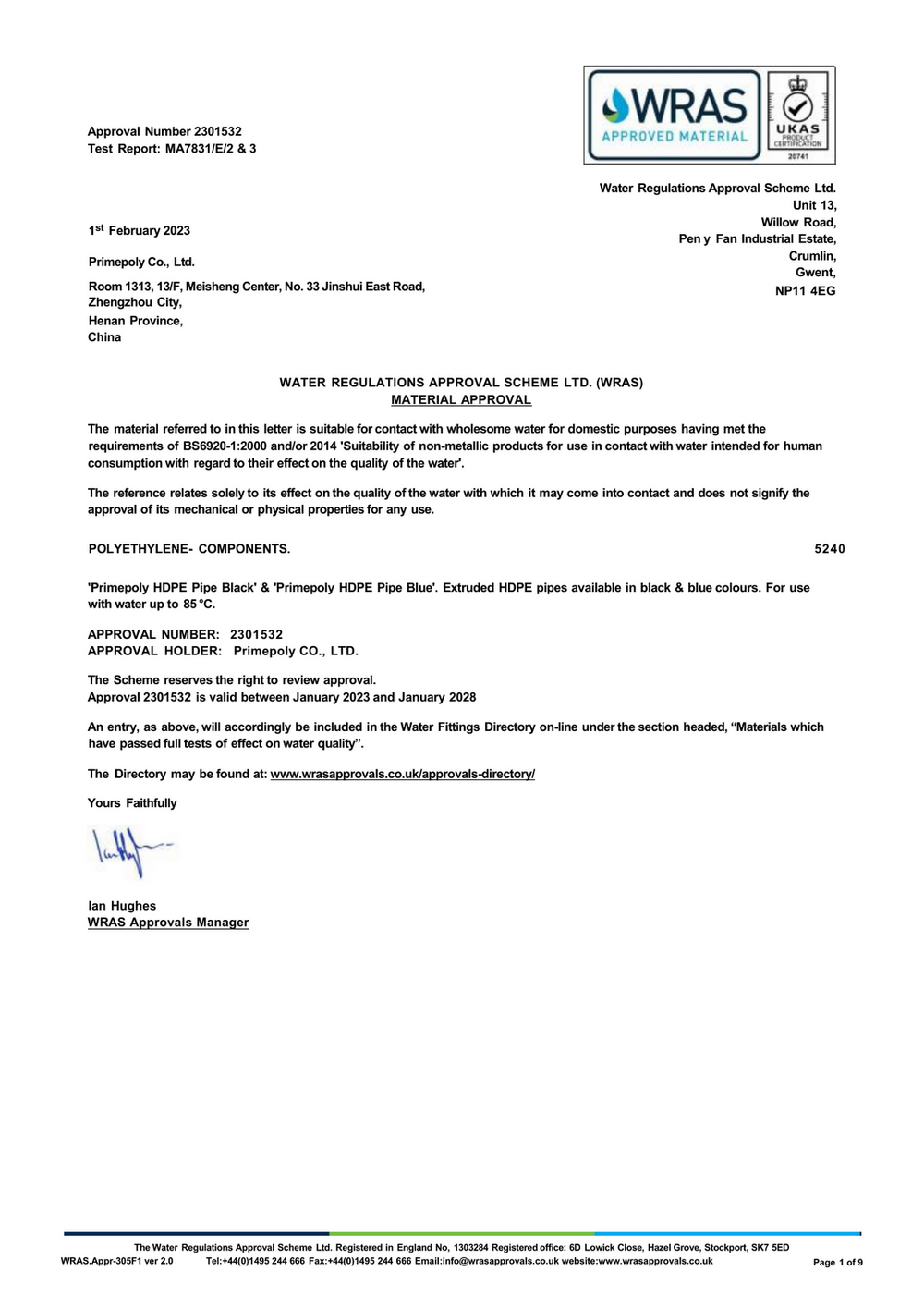
UK drinking water approval
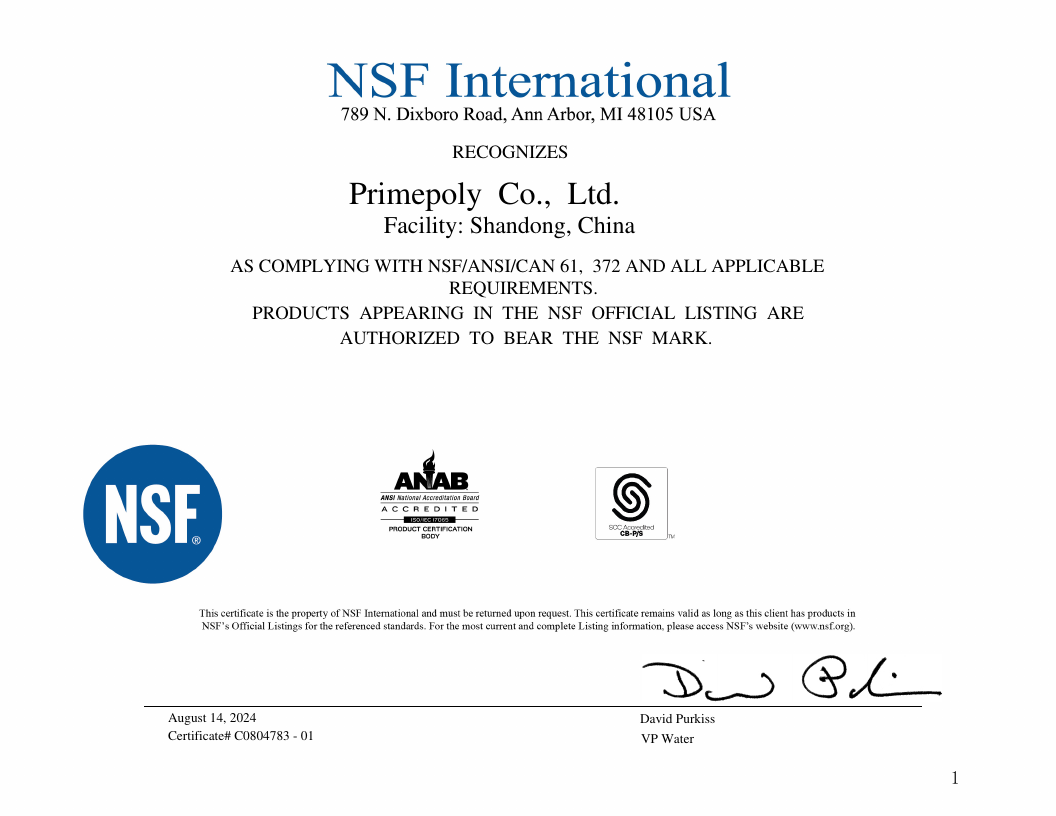
NSF/ANSI 61 drinking water safety (USA)
FAQ
Quick answers about Primepoly's products, certifications and global supply.
PE100 HDPE pipe, PVC industrial pipe and butt-fusion / electrofusion fittings. We ship water-supply, mining slurry, irrigation, gas and drainage piping systems from our Zhengzhou factory to 40+ countries.
Primary markets are Africa (Nigeria, Ghana, Kenya, South Africa, Tanzania), Southeast Asia (Indonesia, Vietnam, Philippines, Malaysia, Thailand), the Middle East (Saudi Arabia, UAE, Qatar, Oman) and Latin America (Brazil, Chile, Peru). FOB or CIF, container or break-bulk.
ISO 9001 (quality management), ISO 4427 (PE pipe), AS/NZS 4130, ASTM F714, AWWA C906, WRAS (UK drinking water), NSF 61 (US drinking water) and CE. Documentation is included with every shipment and third-party inspection (SGS / BV) is welcome on request.
Fill in the contact form on this site — only email is required — or send your project brief (product, diameter, SDR/PN, quantity, destination port) to sales@primepolypipes.com. We reply within one working day with indicative pricing, lead time and a proforma invoice on confirmation.
Stocked sizes ship within 7–10 days of order confirmation; custom OD / SDR / colour runs are 25–35 days. Production capacity exceeds 2,000 t/month, so large project orders are scheduled in batches.